Connect With Our Team
Get In Touch
Tile is no longer just a practical surface. It can set the mood of a room, add texture, and turn a plain wall or floor into a focal point. Today’s trending tile colors draw from nature, while trending tile patterns use scale, shape, and layout to create character.
Whether you are updating one bathroom or sourcing tiles for a large project, the goal is the same: choose a design that looks fresh without losing long-term appeal. Here are the colors, patterns, finishes, and practical details shaping contemporary tile designs.
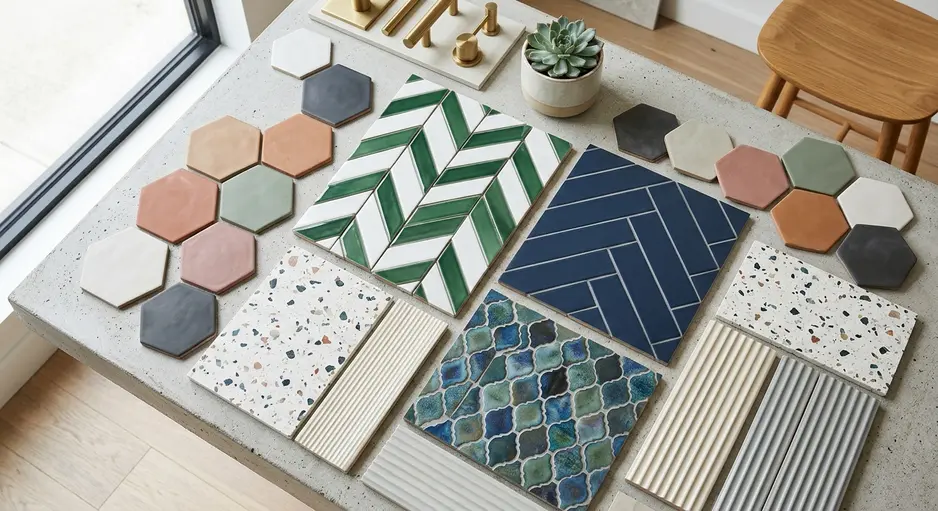
The latest tile color trends are warmer and more nature-led than the cool gray schemes of recent years. Soft neutrals remain popular, but they now sit beside earthy greens, clay tones, mineral blues, and deep accents.
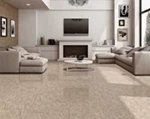
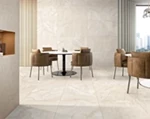
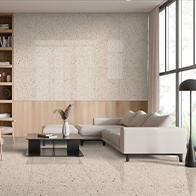
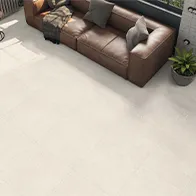
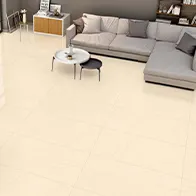
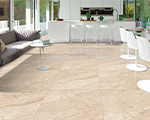
Warm beige, mushroom, taupe, sand, and ivory are among the most popular floor tile colors. They work well because they connect easily with timber, warm white paint, natural stone, and soft fabrics.
Instead of covering a room in one flat shade, layer related tones. A sand-colored floor, ivory wall tile, and mushroom grout can feel more refined than a single-color scheme. This neutral color palette also helps connect kitchens, dining spaces, and living rooms.
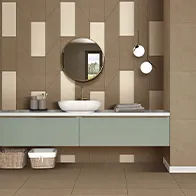
Sage, olive, mineral blue, rust, ochre, and terracotta bring an outdoor influence inside. These modern tile colors suit relaxed, biophilic, and Mediterranean-inspired spaces.
For example, sage wall tile can be paired with pale oak cabinets, brushed metal fittings, and warm white grout. Terracotta works well with cream walls and dark timber, while mineral blue creates a calm bathroom or kitchen feature.
Cobalt, emerald, burgundy, chocolate brown, and charcoal are appearing as bold accent tiles. They are most effective when used with restraint. Consider them for a shower niche, backsplash, fireplace surround, or one feature wall.
Using a strong color in a smaller area can also reduce trend fatigue. The room keeps its personality, but the bold finish does not compete with every other surface.
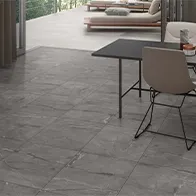
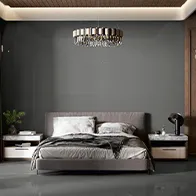
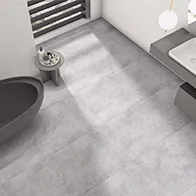
Gray tile is not obsolete. However, flat blue-gray finishes can feel colder than today’s warmer schemes. Current ceramic tile color trends favor greige, stone gray, and gray surfaces with natural variation.
If you already have cool gray flooring, soften it with timber, warm paint, textured fabrics, or beige grout. These additions can update the space without requiring a complete replacement.
A tile pattern can refer to the design printed or formed on the surface. It can also describe the way tiles are installed. Both choices affect how busy, spacious, or balanced a room feels.
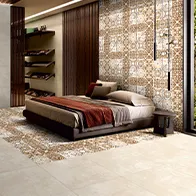
Checkerboard, hexagon, diamond, cube, and arch motifs continue to influence modern tile patterns. Black and white checkerboard floors create classic contrast, while beige and ivory combinations offer a softer look.
Geometric tile designs do not need to be bold. Tone-on-tone shapes add movement without dominating the room. This approach works well in entrances and compact bathrooms where a strong contrast may feel too busy.
Simple rectangular tiles can create several designer wall tile patterns. A vertical stack draws the eye upward and can make a low ceiling feel taller. Herringbone adds movement, while basketweave provides a more detailed, traditional effect.
Herringbone is decorative but often more enduring than a highly specific printed motif. A warm white or soft green version can make a backsplash interesting without overwhelming nearby cabinets and counters.
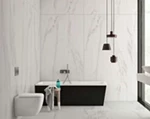
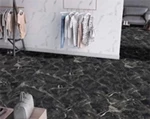
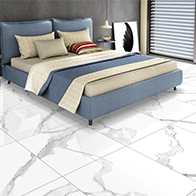
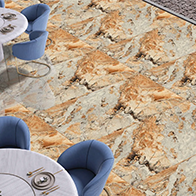
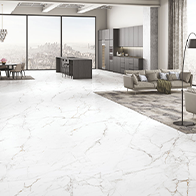
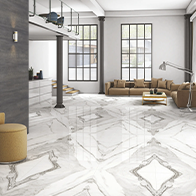
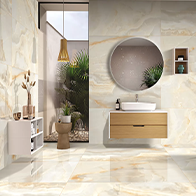
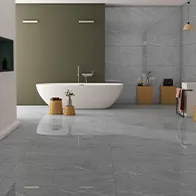
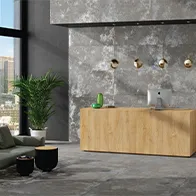
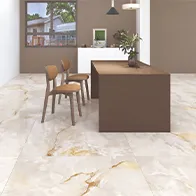
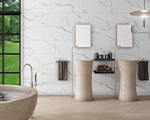
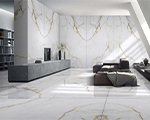
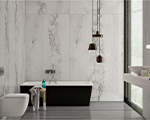
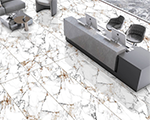
Marble look tiles range from subtle limestone effects to dramatic veining. Large pieces allow the veins to flow across a wall or floor with fewer breaks. Carefully planned book-matched effects can create luxury tile designs for reception areas, bathrooms, or living room features.
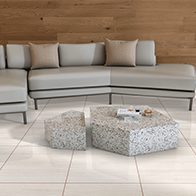
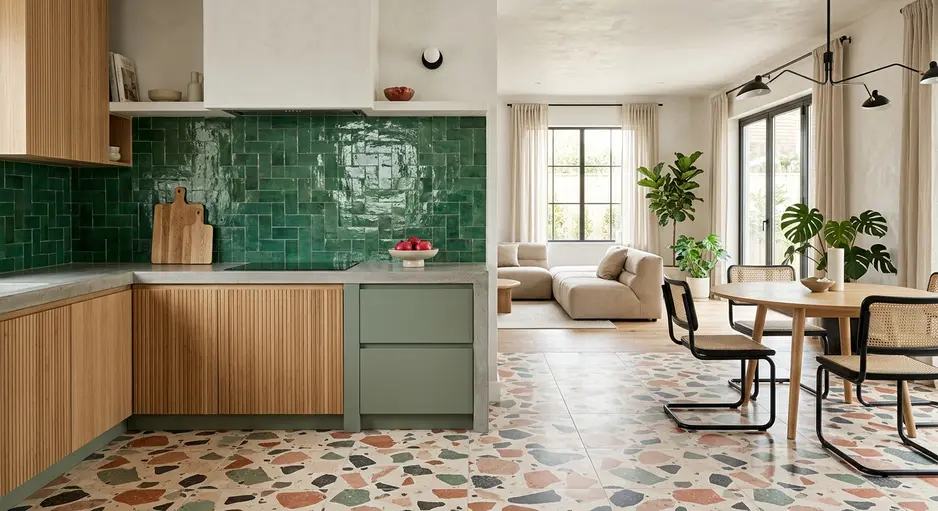
Terrazzo pattern tiles offer another flexible option. Large-chip designs make a bold statement, while fine speckles provide a quieter background. Pairing terrazzo flooring with simple matte wall tile keeps the room balanced.
Fluted surfaces, 3D relief, irregular edges, and tonal glaze variation give walls a handmade feel. Textured wall tiles work especially well behind a vanity, around a fireplace, or on a low-contact feature wall.
Deep textures can collect more residue in kitchens and showers, so consider the cleaning routine before choosing them. Confirm that the selected product is rated for its intended wall or floor application.
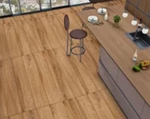
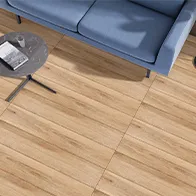
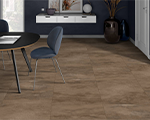
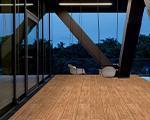
Wood look porcelain tiles bring visual warmth to kitchens, living areas, bathrooms, and covered outdoor spaces. They can be installed in a straight, staggered, or herringbone layout.
Before ordering, review plank dimensions, surface variation, flatness, and installation guidance. Mixing tiles from several boxes during installation can help distribute color and grain variation more naturally.
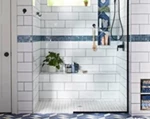
Warm white, sage, ocean blue, sand, and stone gray are leading trending bathroom tile colors and patterns. Large-format porcelain can form calm shower walls, while small mosaics or suitably rated textured products may provide extra grout joints on wet floors.
For bathroom wall tile inspiration, consider a fluted vanity wall, a handcrafted-look shower, or a glossy niche within a matte surface. Always check water absorption, slip resistance, and application ratings in the manufacturer’s technical information.
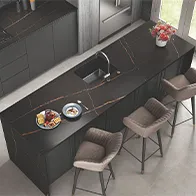
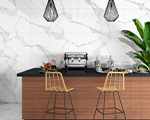
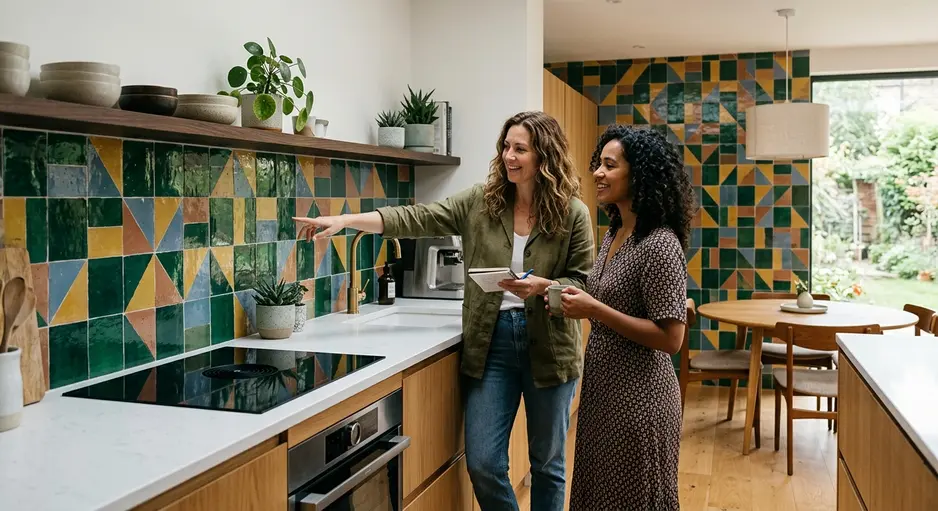
Glossy handcrafted-look squares, vertically stacked subway tiles, geometric ceramic accents, and marble effects are useful kitchen backsplash tile ideas. Glossy finish tiles reflect light and can brighten a dark work area, although splashes and marks may appear more clearly.
A backsplash is also a practical place to test a stronger color. Emerald green, deep blue, or burgundy can add depth without controlling the full kitchen design.
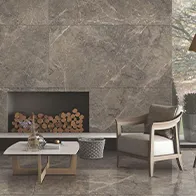
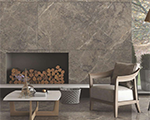
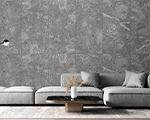
Popular trending tile patterns for living room walls include large-format marble effects, soft geometry, fluted surfaces, and stone-inspired panels. These finishes can frame a media unit or create a focal point behind open shelving.
Textured finishes are also used around fireplaces, but heat suitability and installation requirements must be confirmed first. Follow the tile manufacturer’s guidance and relevant local building rules.
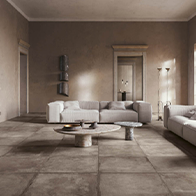
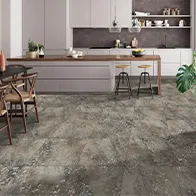
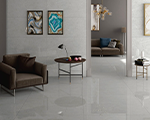
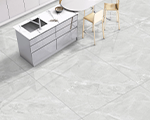
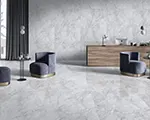
Current living room flooring trends include limestone effects, warm concrete looks, and wood-inspired porcelain. Large format tiles with low-contrast grout can make connected living, dining, and kitchen areas feel more continuous.
Consistent flooring may also reduce visual breaks in an open-plan home. However, tile dimensions, movement joints, substrate preparation, and transitions should be planned before installation begins.
Checkerboard layouts and geometric patterns create an immediate impact in an entrance. Earthy stone effects are more understated and can help disguise everyday dust.
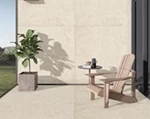
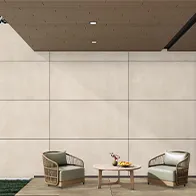
For exterior use, appearance is only one factor. Confirm outdoor suitability, slip performance, water absorption, and freeze-thaw ratings where relevant to the climate.
Learning how to choose tile colors begins with the room’s light. View samples in morning sun, afternoon shade, and artificial light. A warm beige in a showroom may look pink, yellow, or gray in another setting.
Compare each sample with cabinets, counters, paint, metal finishes, and timber. Do not make a final choice from edited online images alone, as screen settings and photography can change the apparent shade.
Large format tiles can reduce visual interruption, even in a small room. Yet the result depends on suitable tile dimensions, balanced cuts, a level substrate, and skilled installation.
Small patterns are not limited to small rooms. They can define a zone in a large space or add detail to a niche. As a general guide, pair a busy floor with quieter walls, or make the wall expressive while keeping the floor restrained.
Matching grout blends with the tile and creates a continuous effect. Contrasting grout highlights the layout, especially in herringbone or stacked patterns. Mid-tone grout can be more forgiving in busy areas.
Before selecting a grout, check its stain resistance, cleaning needs, and compatibility with the tile. A test board can show whether the grout changes the edge color or overall tone.
Use fashion-led colors in smaller or easier-to-change areas. For permanent flooring, natural stone, timber, and restrained terrazzo effects tend to offer lasting flexibility.
Pair expressive surfaces with simple fixtures and cabinets. Most importantly, choose a design that suits the building and your daily life rather than relying only on social media popularity.
Matte finish tiles create a soft, low-glare appearance that suits contemporary floors and natural interiors. Glossy tiles reflect more light and bring depth to backsplashes or feature walls.
Do not assume every matte product is slip-resistant or every glossy product is unsuitable for floors. Performance depends on the tested product, its surface, the installation area, and applicable standards.
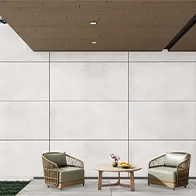
Large-format tiles produce fewer grout lines and a more continuous stone or concrete effect. They can be used on floors, shower walls, and statement surfaces when the product is rated for that purpose.
These tiles require careful handling, suitable equipment, proper adhesive coverage, and a well-prepared substrate. An experienced installer can assess the layout and reduce awkward cuts or excessive lippage.
Ceramic tile commonly works well for interior walls and kitchen backsplashes. Porcelain generally has lower water absorption and may suit a broader range of floor or exterior uses.
These are general distinctions, not universal rules. Always use the technical data for the exact product rather than choosing from the material name alone.
Architects, developers, importers, distributors, and retailers need more than an attractive catalog. When evaluating a modern tile designs supplier, ask for clear commercial and technical information.
Review several pieces rather than approving one showroom sample. Confirm acceptable variation, veining, labeling, and packaging before placing a bulk order.
Buyers seeking a tile manufacturer with a latest design collection can explore Asiano Ceramic as a resource for contemporary ceramic and porcelain options. Contact the company directly to verify current specifications, available collections, order quantities, certifications, lead times, and export markets before making a purchasing decision.
Trending Tile Colors & Patterns for Modern Design
The strongest modern tile schemes balance visual appeal with practical performance. Warm natural colors, thoughtful geometry, tactile finishes, and stone or wood effects can all feel current without becoming short-lived.
Test samples in the intended room and confirm every product’s technical rating before ordering. To support a commercial project, explore Asiano Ceramic’s current tile collections or contact the company to discuss samples, specifications, bulk quantities, and export requirements.
Warm beige, greige, sand, clay, sage, mineral blue, and rich brown are versatile choices. Cobalt, emerald, and burgundy work well as controlled accents. The best option depends on the room’s light, existing finishes, and desired mood.
Low-contrast patterns, larger formats, and grout that blends with the tile can reduce visual breaks. A continuous layout may make the floor feel more open, but careful planning and balanced edge cuts are just as important.
Both are current. Matte surfaces suit soft, natural schemes, while glossy tiles reflect light and add energy to backsplashes and feature walls. Many modern rooms use both finishes for contrast.
Large-format stone looks, restrained marble veining, fluted textures, and subtle geometric panels all work well. Choose one that supports the room’s main focal point rather than competing with the furniture and artwork.
Warm white, pale stone, sand, and soft green can create a calm, connected appearance. Dark tile can also work when the room has good lighting and a balanced layout.
Ceramic Wall Tiles: Trending Styles for 2026 Interiors
 05 August 2026

Golden & Onyx Tiles Exporter from India to Morocco
04 August 2026

Porcelain & Ceramic Tiles Exporter from India to Germany
04 August 2026
Why 600x600 MM Porcelain Tiles Are Trending Worldwide
02 July 2026
Regular vs 3D Elevation Tiles: Which Should You Choose?
02 July 2026

Asiano Ceramic has captured the memories of millions of customers by creating in home interior design.Asiano Ceramic strives to be the most demanded and quality manufacture and exporter ceramic vitrified tiles in Indian and international markets. We are highly committed to serving our patrons and clients right. We are constructing India’s largest wall tiles manufacturing plant and We will supply in both Indian market as well as overseas.
ASIANO CERAMIC LLP | Designed & Managed by : Lightlink Solutions

Whatsapp Chatx
Hi! Click one of our representatives below to chat on WhatsApp or send us email to inquiry@asianoceramic.com
 |
Mehul Vasoya 0091 95105 63767 |
|
Dhaval Detroja 0091 97127 38883 |