Connect With Our Team
Get In Touch
India is an established sourcing market for porcelain and ceramic tiles. Yet German buyers must look beyond designs and factory prices. Compliance, batch consistency, export packaging, customs costs, and reliable delivery can all affect the final result.
Selecting a porcelain tiles exporter to Germany requires careful product and document checks. The same applies when choosing a ceramic tiles exporter to Germany. This guide covers suitable tile types, EU requirements, supplier evaluation, shipping, and landed-cost planning. Buyers can also contact Asiano Ceramic through Asianoceramic.com to request current product and commercial details.
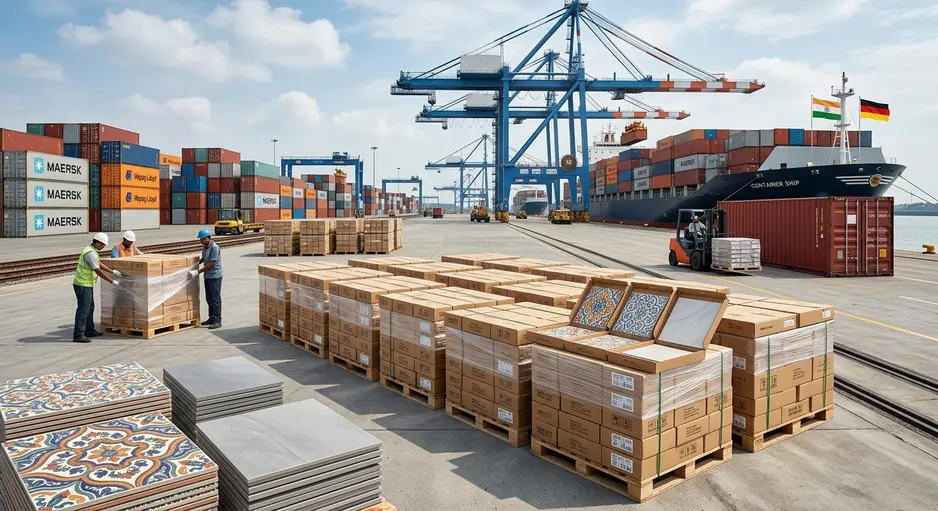
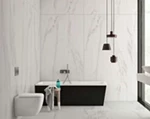
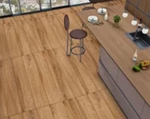
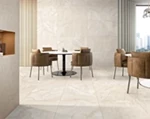
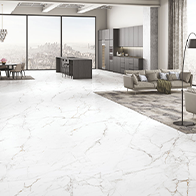
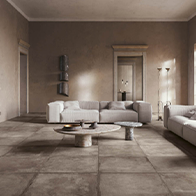
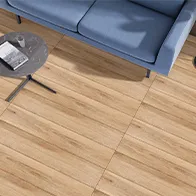
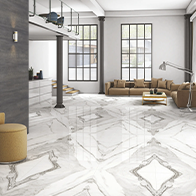
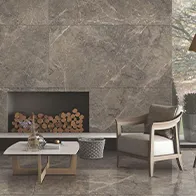
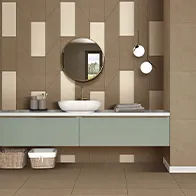
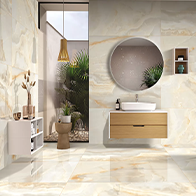
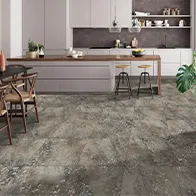
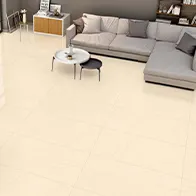
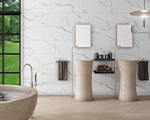
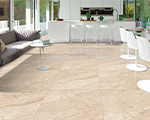
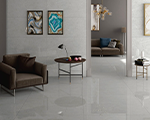
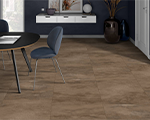
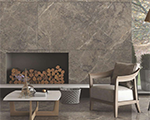
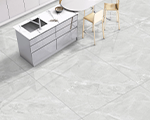
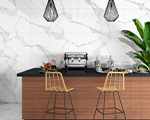
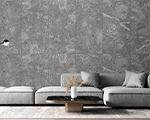
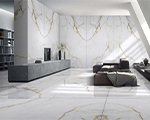
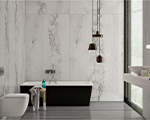
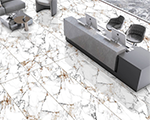
Indian sourcing gives distributors access to a broad choice of wall and floor tiles. Common design themes include marble, stone, concrete, wood, terrazzo, and simple neutral surfaces. Available finishes may include matte, polished, satin, textured, and high-gloss options.
Buyers can also explore standard sizes, rectified products, and large format porcelain slabs. The exact range depends on the manufacturer and current production program. Samples should always be checked before a design is added to a German retail or project collection.
India has large ceramic manufacturing clusters and established export infrastructure. This can support wholesale orders, project supply, and repeat purchasing. Some factories may offer custom cartons, private labels, or coordinated collections at defined volumes.
Mixed-size and mixed-design containers may also be possible, but buyers should not assume this is standard. Confirm the minimum quantity for each SKU, production batch, finish, and carton design in writing.
The lowest price may not deliver the lowest landed cost. Shade variation, delayed replacements, weak cartons, missing documents, or high transit breakage can quickly reduce the expected saving.
A German importer should compare technical evidence, production lead time, batch control, packaging, claims support, and the total delivered cost. This provides a more useful view than comparing ex-factory prices alone.
Glazed porcelain tiles are often selected for living rooms, kitchens, bathrooms, and entrance areas. They offer broad design choice and usually have lower water absorption than standard wall ceramics. Suitability still depends on the performance of the exact product.
Tiles may be used with underfloor heating when the full system is correctly specified and installed. The adhesive, grout, movement joints, substrate, and heating cycle must work together. Buyers should seek technical guidance for the intended installation.
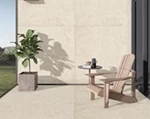
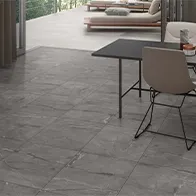
Outdoor tiles in Germany face freeze-thaw conditions. Low water absorption can help, but appearance alone does not prove outdoor suitability. A tile with an “outdoor look” may still be intended only for indoor use.
For balconies, terraces, and sheltered exterior areas, request verified frost-resistance results for the selected SKU. Installation design, drainage, waterproofing, and local weather exposure also affect long-term performance.
Slip-resistant ceramic tiles may be needed in entrances, washrooms, restaurants, shops, or service zones. The correct requirement depends on how the area is used and whether water, grease, or other contaminants are likely to be present.
German buyers should review testing under DIN EN 16165 and relevant workplace guidance where applicable. One slip rating is not suitable for every setting. Specify the location and expected conditions before requesting a recommendation.
Rectified edge porcelain tiles support controlled grout joints and a clean, modern look. Large formats can also reduce the number of visible joints. However, they need flat substrates, suitable adhesives, careful handling, and experienced installers.
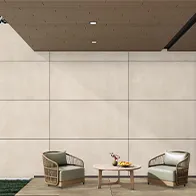
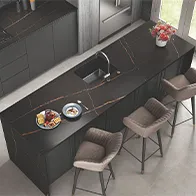
Large products may be approved for floors, walls, worktops, or furniture surfaces, depending on their technical properties. Buyers should confirm the intended use rather than treating every slab as a multi-purpose product.
Porcelain normally has a denser body and lower water absorption. It is commonly considered for demanding floors and suitable outdoor projects. Ceramic tile can be a practical, cost-effective choice for interior walls and selected light-duty areas.
Neither name guarantees performance. For porcelain vs ceramic tiles for Germany, compare certified characteristics, intended use, installation needs, and whole-life cost.
Ceramic tiles placed on the EU market may need CE marking under the applicable construction-products rules. EN 14411 covers the classification, characteristics, assessment, and marking of ceramic tiles.
A CE logo alone is not enough. Buyers should review the Declaration of Performance and confirm that it relates to the selected product and intended use. Do not assume that every item made by one factory has the same compliance status.
The EN ISO 10545 test series covers key tile properties. The tests needed depend on the product type, surface, and application. Relevant checks may include:
Project specifications may also cover slip resistance, calibration, rectification tolerances, shade control, and carton traceability. Batch numbers should be clear enough to support stock control and future claims.
Specification-led developments may request an Environmental Product Declaration or other sustainability information. These documents should be checked for scope, validity, and relevance to the actual product.
A porcelain tile manufacturer in India should be assessed through its quality process, specialization, capacity, traceability, and ability to reproduce an approved sample. A large catalogue is useful, but it does not prove stable production.
The same approach applies to a ceramic tile manufacturer in India. Ask how raw materials, dimensions, shade, calibre, finish, and final packing are checked. Confirm whether pre-shipment inspection is accepted.
A dependable Indian tile exporter to Germany should provide clear written specifications, accurate loading data, and prompt answers. German distributors should also confirm what happens after dispatch, especially when documents, replacements, or insurance evidence are needed.
Buyers looking for a porcelain tiles supplier in Germany’s import market can explore Asiano ceramic and request its current catalogue. Ask for samples, technical data, MOQ, lead time, packaging details, and container-loading information.
The same review should be completed when sourcing through a ceramic tiles supplier for Germany. Confirm that every selected product meets the intended project, EU market, and installation requirements before placing an order.
State the tile type, application, dimensions, thickness, finish, edge, quantity, and packaging needs. Add required values for water absorption, frost resistance, abrasion, and slip resistance where relevant.
Compare samples with the technical data. Check shade, print variation, flatness, edges, surface quality, and dimensions. Keep a signed control sample that can be used during inspection or a later claim.
EXW, FOB, CFR, CIF, and DAP divide costs and risks in different ways. Clarify freight, insurance, customs clearance, port charges, inland transport, and unloading before approving the purchase order.
Tiles generally fall within CN heading 6907, but the exact code depends on product characteristics. Check the current EU TARIC classification, normal customs duty, and any exporter-specific anti-dumping measure.
Confirm German import VAT, customs steps, and EORI requirements with a qualified broker. Tariffs and trade measures can change, so they should be verified for every shipment.
Documents may include the commercial invoice, packing list, bill of lading, certificate of origin, insurance certificate, performance documents, and inspection report. Wood pallets or packing may require evidence of ISPM 15 compliance.
Packaging obligations under German law should also be clarified between the exporter and importer. Responsibility can depend on the transaction and how packaged goods enter the market.
Record the container seal and visible pallet damage. Photograph problems before unloading or disposal. Check carton count, batch, shade, calibre, and broken edges, then follow carrier and insurer claim deadlines.
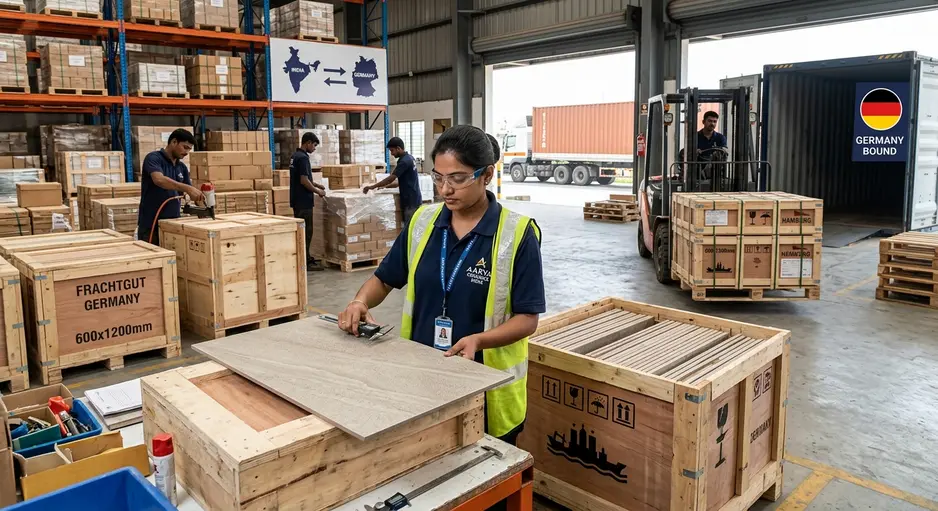
Strong cartons should match the tile size and weight. Large products may need extra edge and corner protection. Pallets should be stable, wrapped securely, and protected from harmful movement or moisture.
Labels should show the SKU, dimensions, shade, calibre, batch, quantity, and country of origin. Clear labeling makes warehouse checks and project allocation easier.
Weight must be distributed within container and road limits. Blocking, bracing, straps, and void control reduce movement. Buyers should receive carton counts plus pallet, net-weight, and gross-weight data before dispatch.
For an order of 600 × 1,200 mm rectified glazed porcelain tiles, the importer could approve carton strength, pallet weight, batch labels, loading layout, and replacement terms before production. Loading photographs can then provide a useful shipment record.
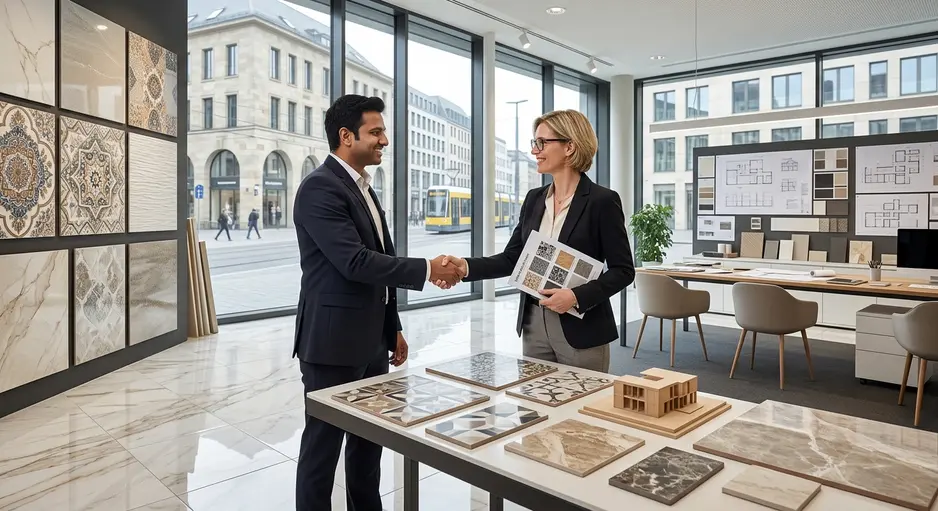
Start with a trial order rather than too many untested SKUs. Measure communication, document accuracy, breakage, complaints, delivery performance, and customer response before increasing volume.
Create a written purchase-order specification. Include the approved design code, dimensions, thickness, tolerances, shade, calibre, finish, performance, packing, inspection method, and claim terms.
Production batches can show visual variation. Keep enough stock for project completion and repairs, record batch numbers, and avoid mixing separate batches in one installation without approval.
For bulk ceramic tiles in Germany, shortlist two or three options and compare landed cost with compliance evidence. A bulk porcelain tiles supplier for Germany should be scaled only after samples, documents, packaging, and trial shipments have been reviewed.
Porcelain & Ceramic Tiles Exporter to Germany
The best sourcing decision balances design, technical performance, documentation, packaging, and total landed cost. German buyers should approve samples, verify each SKU, check current customs measures, and begin with a controlled trial order.
When evaluating a porcelain tiles exporter from India to Germany or a ceramic tiles exporter from India to Germany, put every requirement in writing. Visit Asianoceramic.com to request current product, sample, MOQ, lead-time, and loading details from Asiano Ceramic, then confirm suitability for your market and project before ordering.
Define the product, verify the supplier, approve samples, and review CE and performance documents. Compare Incoterms, check TARIC and anti-dumping measures, arrange inspection, and appoint a freight forwarder and customs broker before shipping.
CE marking is assessed at product level where required. Buyers must check the Declaration of Performance and supporting details for the exact tile. One compliant product does not mean that every product from the same manufacturer has identical status.
They can be suitable when the selected product has verified low water absorption and frost-resistance performance. Exterior installation also needs correct drainage, waterproofing, joints, adhesive, and workmanship. Never select an outdoor tile by appearance alone.
MOQ varies by manufacturer, design, size, finish, production batch, and private-label requirement. It may be quoted by square metre, pallet, SKU, or full container. Ask whether mixed products are accepted.
Private-label options may be available at defined order volumes. Confirm artwork approval, languages, legal labels, setup charges, carton quality, and minimum quantities with the exporter. Packaging responsibilities in Germany should also be reviewed.
Ceramic Wall Tiles: Trending Styles for 2026 Interiors
 05 August 2026
Trending Tile Colors and Patterns for Modern Design
05 August 2026
Golden & Onyx Tiles Exporter from India to Morocco
04 August 2026
Why 600x600 MM Porcelain Tiles Are Trending Worldwide
02 July 2026
Regular vs 3D Elevation Tiles: Which Should You Choose?
02 July 2026

Asiano Ceramic has captured the memories of millions of customers by creating in home interior design.Asiano Ceramic strives to be the most demanded and quality manufacture and exporter ceramic vitrified tiles in Indian and international markets. We are highly committed to serving our patrons and clients right. We are constructing India’s largest wall tiles manufacturing plant and We will supply in both Indian market as well as overseas.
ASIANO CERAMIC LLP | Designed & Managed by : Lightlink Solutions

Whatsapp Chatx
Hi! Click one of our representatives below to chat on WhatsApp or send us email to inquiry@asianoceramic.com
 |
Mehul Vasoya 0091 95105 63767 |
|
Dhaval Detroja 0091 97127 38883 |