Connect With Our Team
Get In Touch
Choosing between wood plank tile and natural wood flooring can feel overwhelming. Both options bring warmth, elegance, and timeless appeal to interiors. However, they differ significantly in durability, maintenance, cost, and long-term performance.
If you are planning to upgrade your flooring or wall surfaces, understanding the strengths and limitations of each material will help you make a smart investment. In this detailed comparison, we break down everything you need to know about plank tile flooring and natural wood floor solutions.
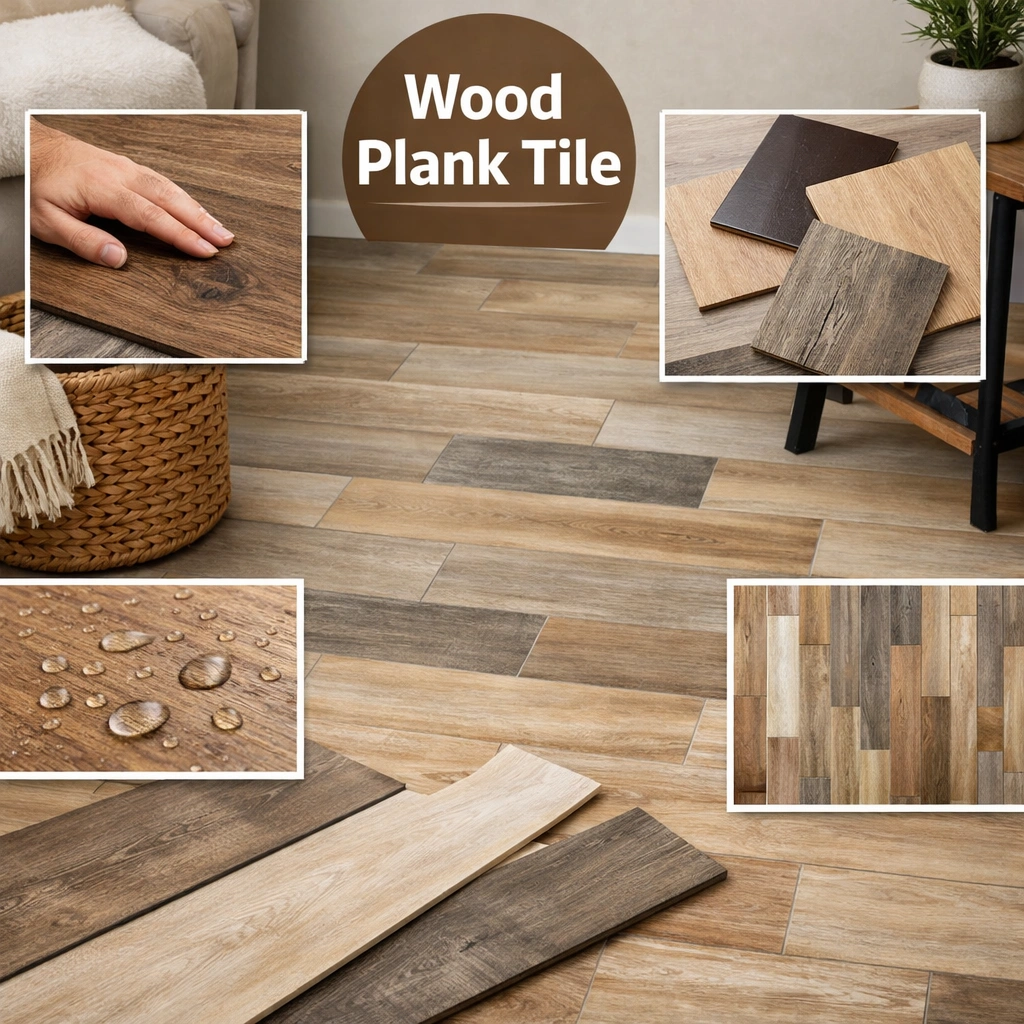
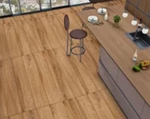
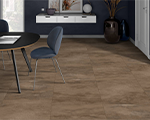
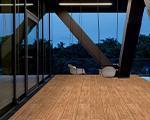
Wood plank tile is typically made from porcelain or ceramic and designed to replicate the appearance of real wood. Advanced printing and glazing technologies create realistic grains, textures, knots, and finishes.
Modern wood looking tile planks are so detailed that it is often difficult to distinguish them from real wood without touching them.
Most commonly available as porcelain tile wood plank flooring, this option offers the visual warmth of timber with the strength of tile.
Available in matte, rustic, glossy, and textured finishes
Highly resistant to moisture and stains
Suitable for floors and walls
Available in various plank sizes and shades
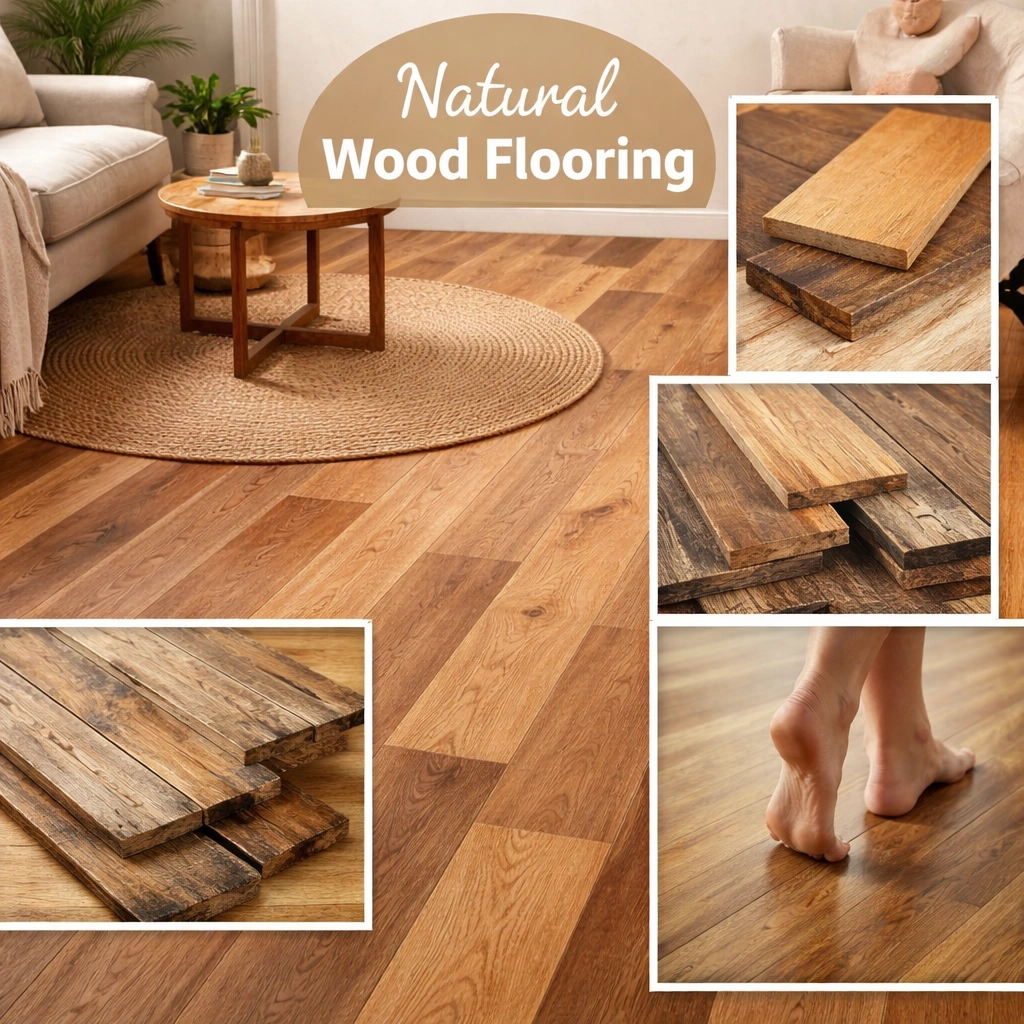
A natural wood floor is made from solid hardwood or engineered wood. It offers authentic grain patterns and natural variations that cannot be replicated perfectly.
Natural wood brings unmatched warmth and organic character to spaces. It is often preferred in luxury homes for its premium appeal.
Solid hardwood
Engineered hardwood
Reclaimed wood
Each type has its own benefits and limitations, particularly in terms of moisture resistance and durability.
Natural wood: Natural wood delivers unmatched authenticity. Every plank has distinct grain patterns and tonal shifts, creating depth and richness.
Wood plank tile: Wood plank tile, however, has evolved significantly. Modern manufacturing produces highly realistic wood effect tiles in a broader color range including cool greys and contemporary tones. If you prefer a uniform finish, tile may even look more consistent.
Winner: Wood plank tile.
Natural wood: Natural wood can dent or scratch from furniture, pets, or high heels. Its durability depends on the species and finish.
Wood plank tile: In contrast, porcelain tile wood plank flooring is highly scratch-resistant and can handle heavy foot traffic. It’s ideal for busy households or commercial settings.
Winner: Wood plank tile.
Natural wood: Moisture is a major concern for natural wood floors. They expand and contract with humidity and are not ideal for bathrooms or kitchens.
Wood plank tile: Wood plank tile floors, especially porcelain options, are 100% waterproof. This makes them perfect for kitchens, bathrooms, laundry rooms, and even outdoor areas.
Winner: Wood plank tile.
Natural wood: Natural wood feels warmer and slightly softer, making it more comfortable in bedrooms and living areas.
Wood plank tile: Plank tile flooring is harder and cooler to the touch. However, it works well with underfloor heating systems, which can improve comfort significantly.
Winner: Natural wood.
Natural wood: Natural wood requires sealing, polishing, and occasional refinishing. Over time, scratches and wear may require sanding.
Wood plank tile: Wood looking tile planks are easy to maintain. Regular sweeping and mopping are usually sufficient. There’s no need for refinishing or resealing.
Winner: Wood plank tile.
Natural wood: Natural wood requires acclimatization before installation and precise fitting, typically by professionals.
Wood plank tile: Tile installation also demands a level subfloor and proper grouting. While DIY is possible for both, professional installation ensures better long-term performance.
Winner: Wood plank tile.
Natural wood: Natural wood flooring typically has a higher upfront cost. Maintenance and refinishing add to long-term expenses.
Wood plank tile: Wood plank tile is generally more budget-friendly per square foot. With minimal maintenance needs and high durability, it offers strong long-term value.
Winner: Wood plank tile.
Natural wood: Natural wood can contribute to deforestation if not responsibly sourced. Stains and sealants may also emit VOCs.
Wood plank tile: Tile products are made from natural clay and sand. They contain no VOC emissions and are recyclable, making them a practical eco-friendly flooring choice.
Winner: Wood plank tile (eco perspective).
Pros:
Waterproof and moisture-resistant
Scratch-resistant flooring
Low maintenance
Suitable for floors and walls
Long lifespan
Affordable alternative
Cons:
Harder surface
Cooler underfoot
Grout may require periodic care
Slightly less authentic feel
Pros:
Authentic aesthetic
Warm and comfortable
Adds resale value
Can be refinished
Cons:
Higher upfront cost
Sensitive to moisture
Requires ongoing maintenance
Not ideal for wet areas
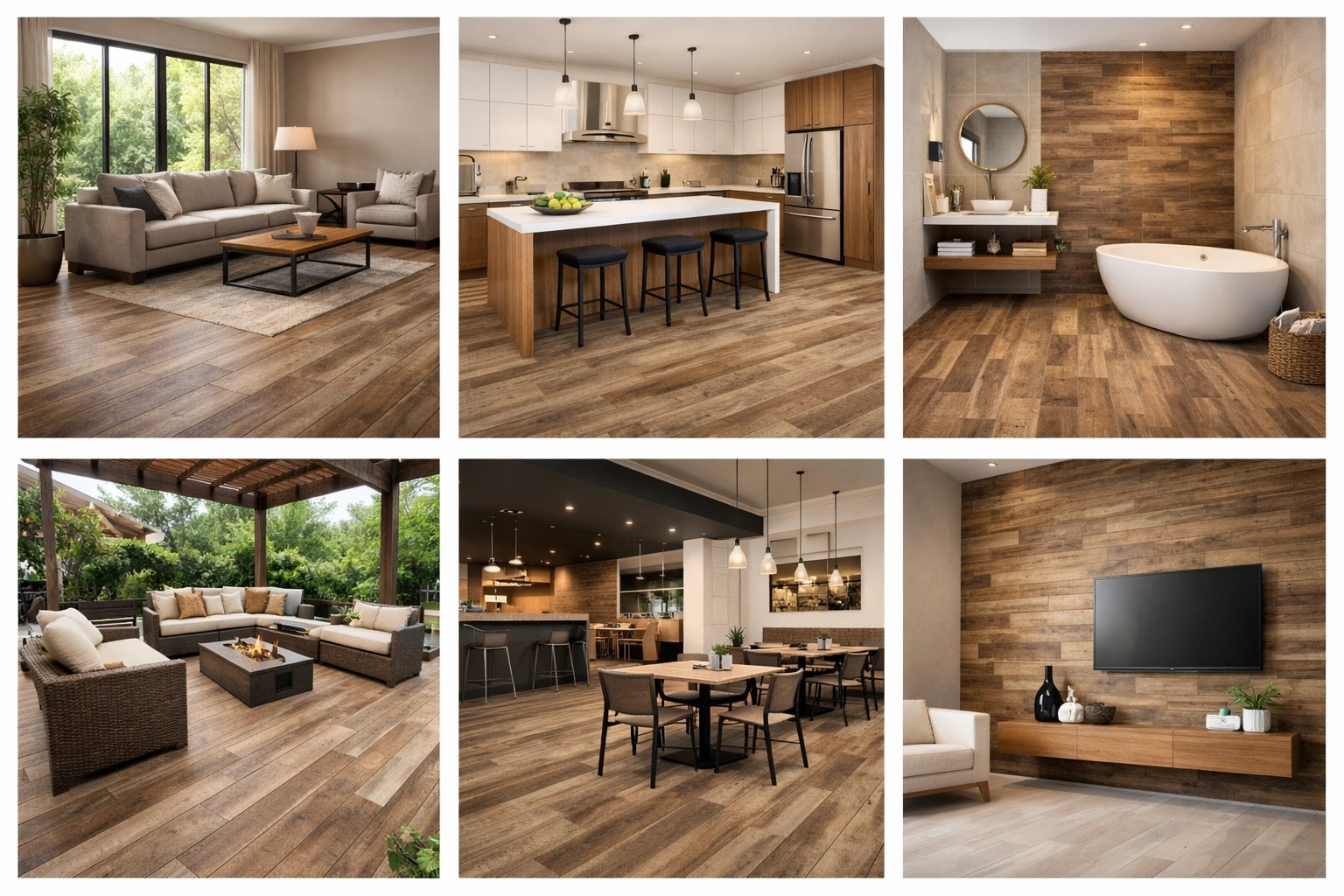
One of the biggest advantages of wood looking tile planks is versatility.
They are ideal for:
Living rooms
Kitchens
Bathrooms
Commercial spaces
Outdoor patios
Accent walls
Modern wooden effect tiles for walls allow designers to extend the wood look beyond flooring.

Natural wood is ideal for:
Bedrooms
Luxury living rooms
Climate-controlled interiors
Premium villas
It works best in dry environments where moisture levels are stable.
When selecting premium plank tile flooring, quality matters. Asiano Ceramic offers a wide range of porcelain tile wood plank flooring designed to combine style with long-lasting performance.
With advanced manufacturing processes, diverse design collections, and expert craftsmanship, Asianoceramic provides wood plank tile floors that replicate natural wood beautifully without compromising durability.
Whether you’re designing a modern kitchen, a luxury bathroom, or a feature wall with wooden effect tiles for walls, Asiano ceramic delivers reliable, design-forward solutions trusted by homeowners and professionals alike.
Explore Asiano Ceramic’s collection to discover flooring that blends natural beauty with practical performance.
Both wood plank tile and natural wood offer distinct advantages. Natural wood brings warmth, authenticity, and timeless charm. Wood plank tile delivers durability, waterproof protection, and low maintenance - making it ideal for modern lifestyles.
Your decision should consider room type, climate, maintenance expectations, and budget. If you’re looking for a wood floor alternative that combines elegance with practicality, wood plank tile is a smart long-term investment.
Visit Asiano Ceramic to explore premium wood plank tile options that capture the beauty of natural wood - without the compromise.
It depends on your needs. If durability and water resistance are priorities, wood plank tile is better. If you value authenticity and natural texture, natural wood may be preferred.
Yes. Modern wood looking tile planks use advanced printing technology to replicate real wood grains very closely.
Absolutely. Plank tile flooring is water-resistant and ideal for bathrooms and kitchens, unlike a natural wood floor.
Natural wood is generally more expensive both in installation and long-term maintenance compared to wood plank tile floors.
Yes. Wooden effect tiles for walls are popular for feature walls, TV units, and bedroom backdrops.
Ceramic Wall Tiles: Trending Styles for 2026 Interiors
 05 August 2026
Trending Tile Colors and Patterns for Modern Design
05 August 2026
Golden & Onyx Tiles Exporter from India to Morocco
04 August 2026
Porcelain & Ceramic Tiles Exporter from India to Germany
04 August 2026
Why 600x600 MM Porcelain Tiles Are Trending Worldwide
02 July 2026

Asiano Ceramic has captured the memories of millions of customers by creating in home interior design.Asiano Ceramic strives to be the most demanded and quality manufacture and exporter ceramic vitrified tiles in Indian and international markets. We are highly committed to serving our patrons and clients right. We are constructing India’s largest wall tiles manufacturing plant and We will supply in both Indian market as well as overseas.
ASIANO CERAMIC LLP | Designed & Managed by : Lightlink Solutions

Whatsapp Chatx
Hi! Click one of our representatives below to chat on WhatsApp or send us email to inquiry@asianoceramic.com
 |
Mehul Vasoya 0091 95105 63767 |
|
Dhaval Detroja 0091 97127 38883 |