Connect With Our Team
Get In Touch
Choosing between a regular elevation tile and 3D elevation tiles can shape the entire look of your space. Whether you are designing a home, office, or commercial facade, the right wall cladding tiles make a big difference in both style and durability. With so many designs and materials available today, it’s easy to feel unsure about which option suits your needs.
This guide breaks down everything in simple terms from design and cost to installation and use cases, so you can make a smart, confident choice.
Elevation tiles are decorative wall cladding tiles used to enhance vertical surfaces. They protect walls while adding texture and character. You’ll find them in both interior spaces and exterior facade tiles, where they act as a visual focal point.
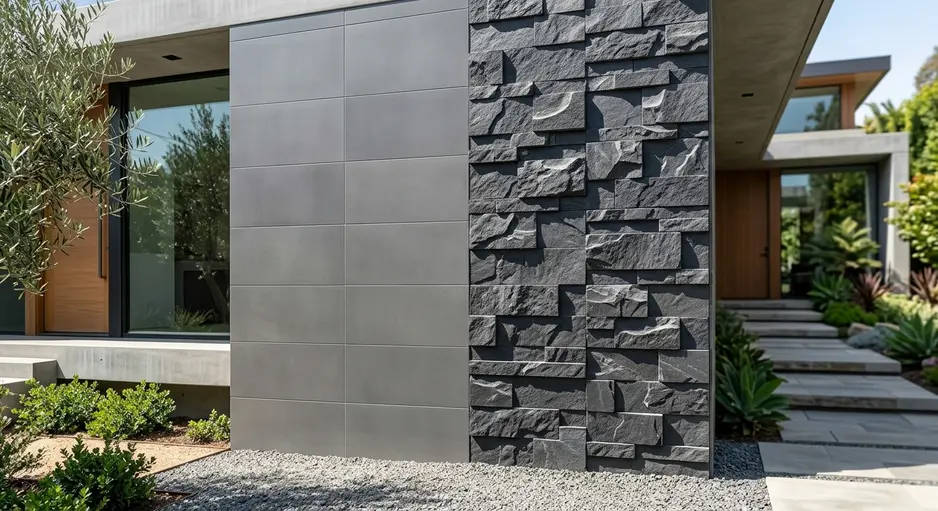
Modern design leans toward depth and detail. This has led to a rise in textured wall tiles, including embossed ceramic tiles and decorative relief tiles. These tiles create visual movement and bring plain walls to life.
India is a hub for tile production. Many tile manufacturers supply bulk wall tiles wholesale for domestic and export markets. Companies offer a wide range of elevation tiles export catalog options suited for global projects.
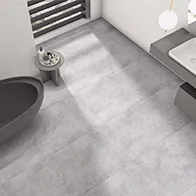
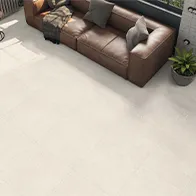
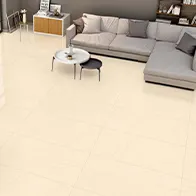
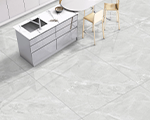
A regular ceramic elevation wall tile for interior use typically has a flat or slightly textured surface. These tiles focus on clean design and uniform patterns, making them easy to match with different interiors.
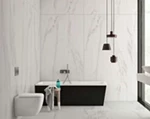
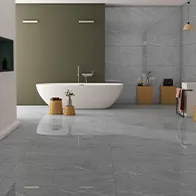
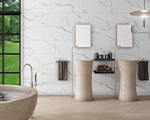
Glazed finishes are common in regular tiles. Glazed elevation tiles for wet areas resist moisture and stains, making them ideal for kitchens and bathrooms.
The biggest drawback is the lack of depth. In spaces where design impact matters, flat tiles may feel outdated compared to modern feature wall tiles 3D.
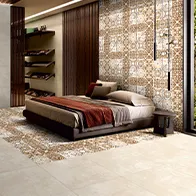
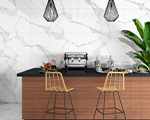
3D Elevation Tiles and embossed ceramic tiles stand out because of their raised patterns. These decorative relief tiles create shadows and highlights that change with lighting.
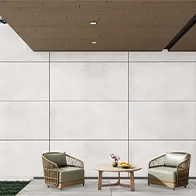
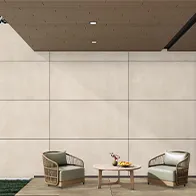
Many 3D porcelain elevation tiles for exterior facade are designed for durability. Porcelain offers better strength and weather resistance, making it ideal for outdoor use.
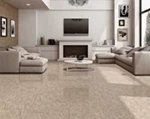
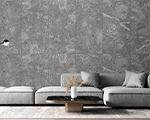
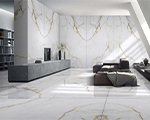
The best 3D elevation tiles for living room feature wall often include soft textures, neutral tones, and large-format elevation tiles that create a bold yet balanced look.
3D tiles usually cost more and require skilled installation. Improper alignment can affect the overall finish.
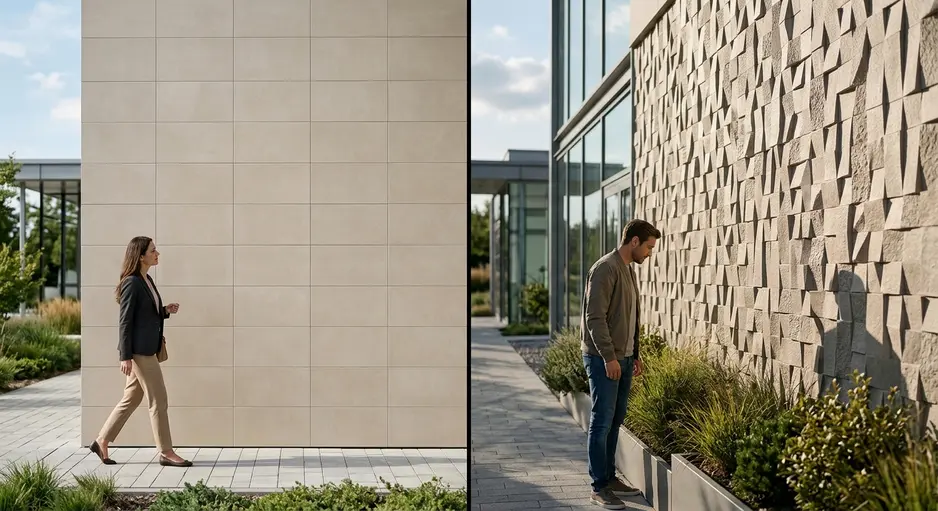
Regular tiles offer a clean and simple look, while 3D tiles deliver a bold, textured finish. The choice depends on whether you want subtle elegance or visual impact.
Both types are durable, but porcelain elevation tiles used in 3D designs often perform better outdoors due to higher density and weather resistance.
Flat tiles are easier to clean. 3D tiles may collect dust in grooves, so they need occasional detailed cleaning.
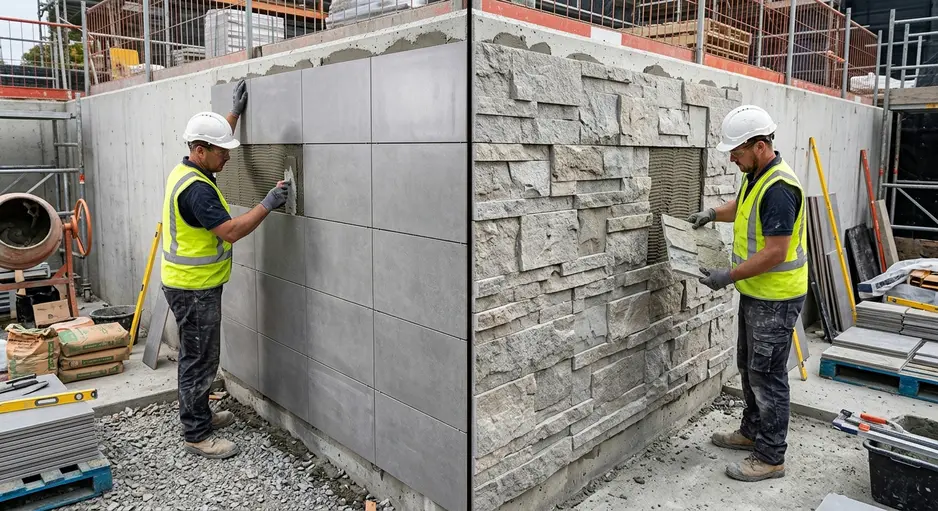
3D tiles require proper alignment and strong installation adhesives for 3D tiles. Regular tiles are simpler and faster to install.
When comparing price comparison regular vs 3D wall tiles, regular tiles are more economical. 3D options fall into mid to premium pricing depending on design and material.
The 3d elevation tiles cost per sq ft India typically falls in a higher range than regular tiles. Regular options are more budget-friendly, while 3D tiles vary based on design complexity and material.
Sourcing from a wholesale 3d elevation tiles supplier in India can reduce costs significantly, especially for large projects.
3D tiles usually involve higher labor costs due to precision work, while regular tiles are quicker and cheaper to install.
Use ceramic tiles for interiors and porcelain elevation tiles for outdoor walls due to better durability.
For exterior facade tiles, choose materials that resist heat, moisture, and pollution.
Modern homes often use 3D textures, while commercial spaces may mix styles for a balanced look.
Textured elevation tiles for commercial spaces and hotel create a strong visual identity and enhance guest experience.
Large tiles create a seamless look, while smaller tiles allow detailed patterns.
Combine both styles use 3D tiles for feature walls and regular tiles for surrounding areas to balance cost and design.
Ensure the wall surface is clean, dry, and level before installation.
Use high-strength adhesives designed for heavy and textured tiles.
Clean periodically and inspect joints to ensure long-term performance.
Ceramic tile exporters in India offer competitive pricing, wide design options, and reliable quality.
Many buyers prefer to export ceramic elevation tiles from India due to advanced manufacturing and cost efficiency.
Current trends include modular designs, natural textures, and large-format tiles.
Working with a trusted supplier like Asiano ceramic ensures consistent quality, bulk availability, and a diverse product range.
Luxury 3D elevation tiles India are in demand worldwide for high-end residential and commercial projects.
Buy Premium 3D Elevation Tiles
Quick decision guide based on use case:
Balancing aesthetics, cost, and durability:
The best choice balances visual appeal with long-term performance and budget.
Embossed tiles have slight texture, while 3D tiles feature deeper patterns and more visual impact.
Neutral tones with geometric or wave patterns work best for modern living rooms.
Costs vary widely depending on design and material, but they are generally higher than regular tiles.
Yes, especially when made from porcelain, which handles outdoor conditions well.
They need slightly more cleaning due to textured surfaces, but maintenance is still simple.
Yes, but choose water-resistant materials and proper sealing.
Ceramic Wall Tiles: Trending Styles for 2026 Interiors
 05 August 2026
Trending Tile Colors and Patterns for Modern Design
05 August 2026
Golden & Onyx Tiles Exporter from India to Morocco
04 August 2026
Porcelain & Ceramic Tiles Exporter from India to Germany
04 August 2026
Why 600x600 MM Porcelain Tiles Are Trending Worldwide
02 July 2026
Asiano Ceramic has captured the memories of millions of customers by creating in home interior design.Asiano Ceramic strives to be the most demanded and quality manufacture and exporter ceramic vitrified tiles in Indian and international markets. We are highly committed to serving our patrons and clients right. We are constructing India’s largest wall tiles manufacturing plant and We will supply in both Indian market as well as overseas.
ASIANO CERAMIC LLP | Designed & Managed by : Lightlink Solutions

Whatsapp Chatx
Hi! Click one of our representatives below to chat on WhatsApp or send us email to inquiry@asianoceramic.com
 |
Mehul Vasoya 0091 95105 63767 |
|
Dhaval Detroja 0091 97127 38883 |