Connect With Our Team
Get In Touch
The Netherlands is one of Europe’s most active construction and renovation markets. Demand for porcelain tiles and ceramic tiles continues to grow as builders, architects, and distributors look for durable and stylish materials. For importers, working with a reliable ceramic tile exporter to Netherlands or porcelain tile exporter to Netherlands ensures consistent quality, compliance, and timely delivery.
This guide explains market trends, technical factors, export requirements, and how to choose the right supplier for long-term success.
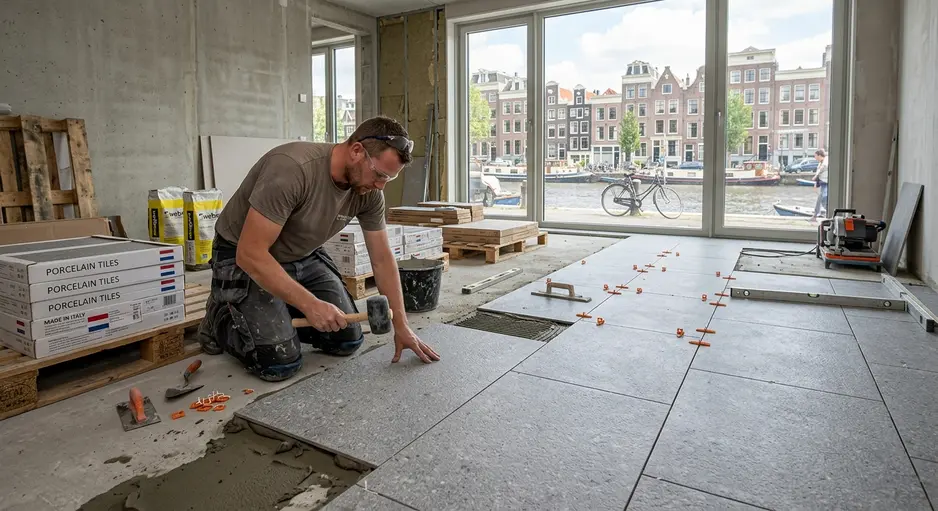
The Dutch construction sector has seen steady growth in both residential and commercial projects. Urban development in cities has increased the need for modern, low-maintenance materials.
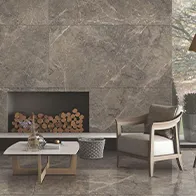
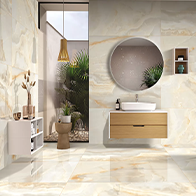
Porcelain stoneware tiles are now a top choice across Europe. They offer durability, water resistance, and design flexibility. Dutch buyers also prioritize sustainability, making eco-friendly materials more attractive.
These trends show a clear shift toward materials that combine performance with design flexibility.
Both porcelain and ceramic tiles are widely used, but they serve different purposes. Understanding these differences helps buyers choose the right material.
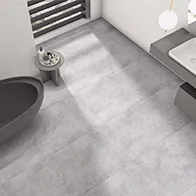
Porcelain tiles are denser and less porous. This makes them ideal for high-traffic and moisture-prone areas. Ceramic tiles are lighter and easier to cut, making them suitable for walls and low-traffic zones.
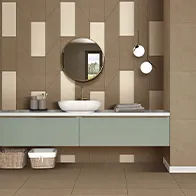
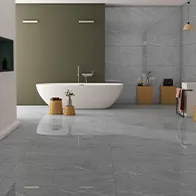
In the Netherlands, porcelain is often preferred for flooring, while ceramic remains popular for interior walls and decorative use.
Commercial buyers, especially those sourcing commercial ceramic floor tiles for offices Netherlands, often prioritize strength and long-term performance.
Exporting tiles to Europe requires strict compliance with quality and safety standards. Dutch importers expect products that meet EU regulations.
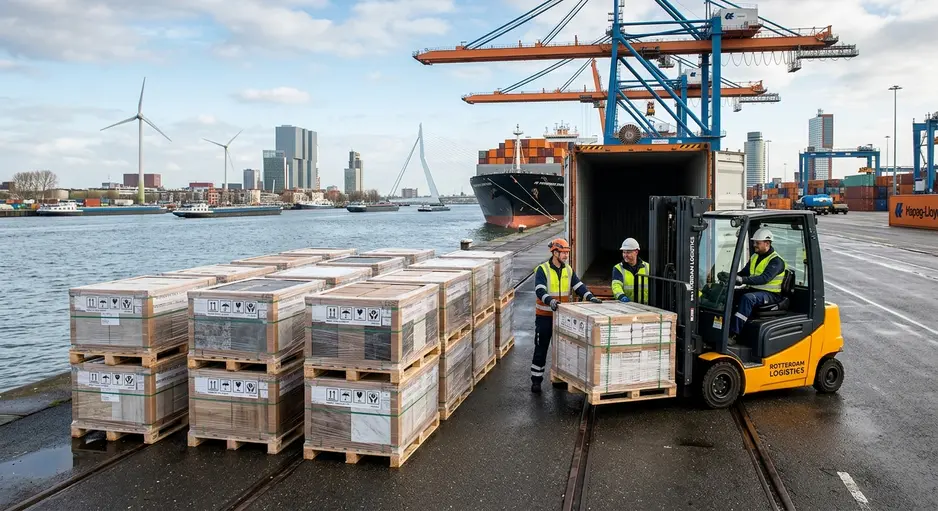
Shipping tiles to the Netherlands requires careful planning. Costs depend on volume, packaging, and shipping terms.
Smart logistics planning can significantly improve profit margins for distributors and contractors.
Selecting the right supplier is critical. Dutch buyers look for consistency, transparency, and strong logistics support.
A reliable ceramic tile supplier to Netherlands should offer a wide product range, stable supply, and clear communication.
Consistency in quality and packaging plays a major role in long-term partnerships.
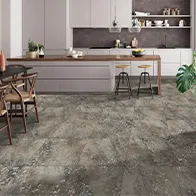
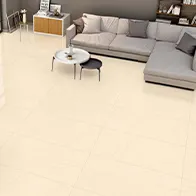
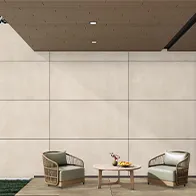
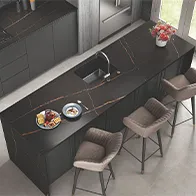
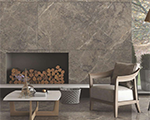
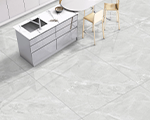
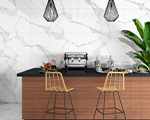
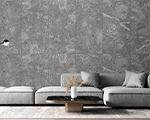
Porcelain tiles are used across a wide range of applications due to their strength and versatility.
For example, many Dutch office renovations now use large-format tiles to create seamless, modern interiors with minimal maintenance.
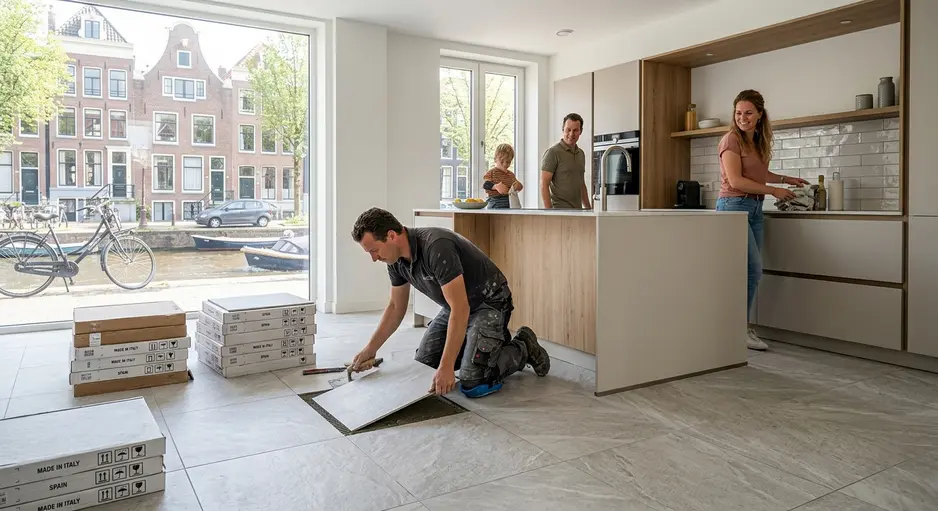
Asiano Ceramic has built a strong reputation as a trusted exporter in global markets, including Europe. The company offers a wide range of tiles designed to meet modern architectural needs.
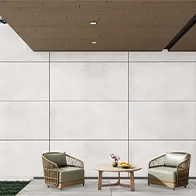
From large-format designs to outdoor solutions, their portfolio supports both residential and commercial applications.
Working with an experienced exporter reduces risk and ensures smooth operations across the supply chain.
Porcelain & Ceramic Tile Exporter to Netherlands
The Netherlands offers strong opportunities for tile exporters who can meet high standards of quality, design, and compliance. Whether you are sourcing porcelain & ceramic tiles exporter to Netherlands solutions or looking for a reliable ceramic tile exporter to Netherlands, success depends on choosing the right partner.
By focusing on durability, sustainability, and efficient logistics, businesses can build long-term relationships in this growing market. Partnering with an experienced exporter like Asiano Ceramic ensures access to high-quality products, competitive pricing, and dependable supply for projects across the Netherlands and Europe.
Popular sizes include 600x1200 mm and larger slabs, depending on the application and space.
Porcelain tiles are denser, more durable, and less porous than ceramic tiles. Ceramic tiles are lighter and often used for walls or low-traffic areas.
Rectified edges are machine-cut edges that allow for minimal grout lines and a seamless look.
With proper installation and maintenance, porcelain tiles can last decades even in high-traffic areas.
Yes, porcelain tiles are frost-resistant and perform well in cold and wet climates.
Costs vary based on shipping terms, volume, and product type. Freight, duties, and handling charges should be considered.
Matt or satin finishes are often preferred for commercial spaces due to their slip resistance and durability.
Ceramic Wall Tiles: Trending Styles for 2026 Interiors
 05 August 2026
Trending Tile Colors and Patterns for Modern Design
05 August 2026
Golden & Onyx Tiles Exporter from India to Morocco
04 August 2026
Porcelain & Ceramic Tiles Exporter from India to Germany
04 August 2026
Why 600x600 MM Porcelain Tiles Are Trending Worldwide
02 July 2026

Asiano Ceramic has captured the memories of millions of customers by creating in home interior design.Asiano Ceramic strives to be the most demanded and quality manufacture and exporter ceramic vitrified tiles in Indian and international markets. We are highly committed to serving our patrons and clients right. We are constructing India’s largest wall tiles manufacturing plant and We will supply in both Indian market as well as overseas.
ASIANO CERAMIC LLP | Designed & Managed by : Lightlink Solutions

Whatsapp Chatx
Hi! Click one of our representatives below to chat on WhatsApp or send us email to inquiry@asianoceramic.com
 |
Mehul Vasoya 0091 95105 63767 |
|
Dhaval Detroja 0091 97127 38883 |