Connect With Our Team
Get In Touch
Nigeria’s construction and real estate sector has experienced steady growth over the past decade. Rapid urbanization, rising residential projects, and expanding commercial infrastructure have significantly increased the demand for high-quality building materials. Among these, porcelain floor tiles and porcelain wall tiles have emerged as preferred choices due to their durability, design flexibility, and long-term value.
As Nigeria continues to invest in modern housing, hospitality, and commercial developments, sourcing tiles from a trusted exporter has become a critical decision. This blog explores why porcelain tiles are ideal for Nigerian projects, what makes a reliable exporter, and how Indian manufacturers play a vital role in meeting this growing demand.
Nigeria’s rapid urbanization has led to large-scale housing projects, shopping complexes, hotels, offices, and infrastructure development. Builders and architects increasingly prioritize materials that offer durability without compromising design flexibility.
Porcelain tiles meet these expectations by providing long service life, resistance to environmental stress, and a wide range of finishes suitable for both interior and exterior applications. Compared to traditional materials, porcelain tiles offer consistent performance even in high-traffic and moisture-prone environments.
Additionally, Nigerian buyers prefer materials that are easy to maintain, cost-effective over time, and compatible with modern architectural styles. These factors have significantly increased demand for porcelain flooring and wall solutions across the country.
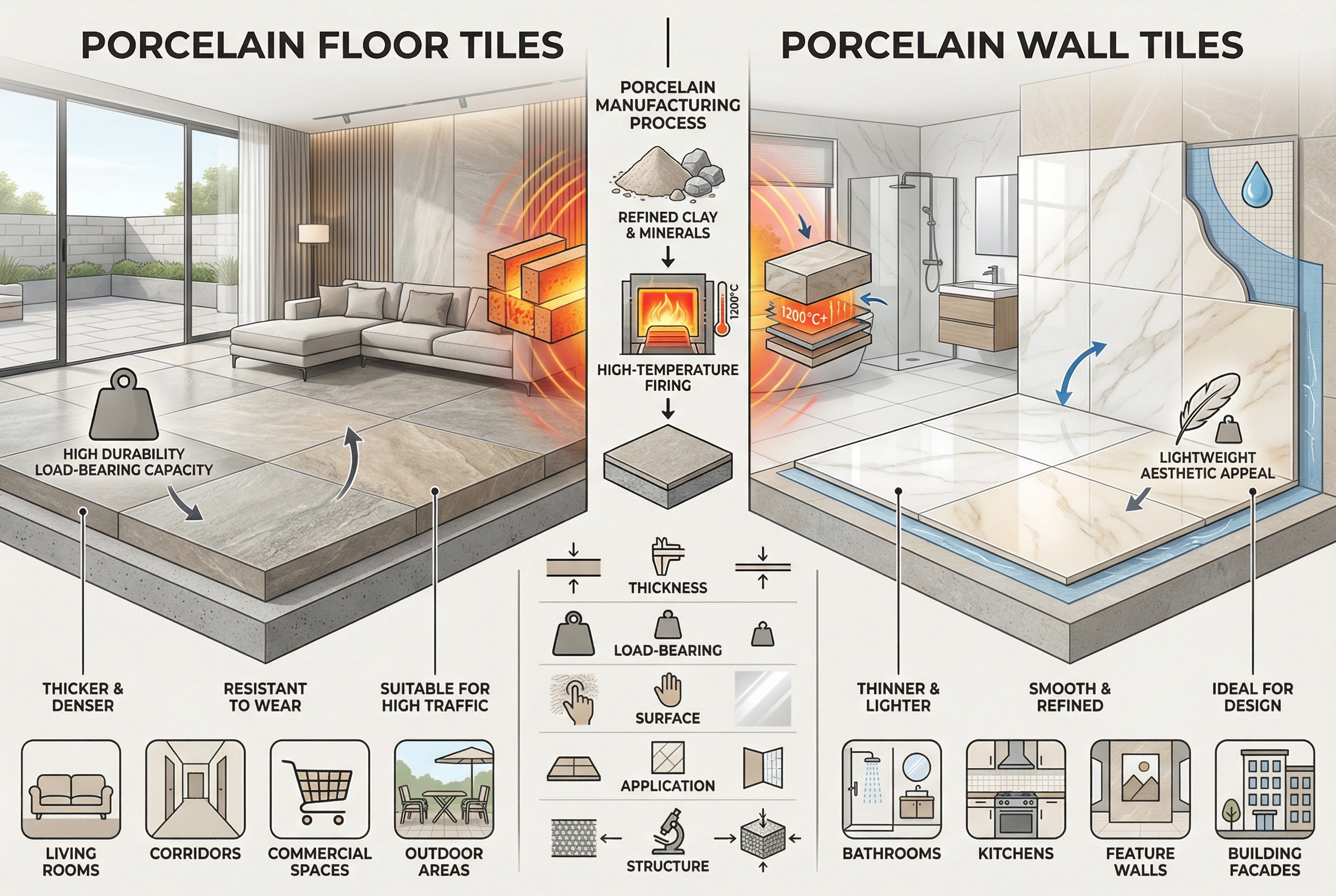
Porcelain tiles are manufactured using refined clay, minerals, and natural materials fired at extremely high temperatures. This process results in a dense, non-porous tile with superior strength and durability.
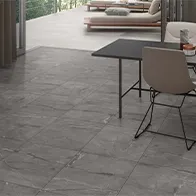
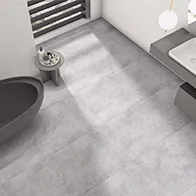
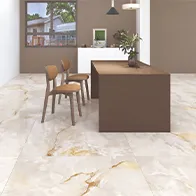
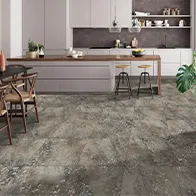
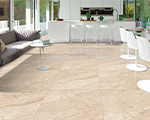
Porcelain floor tiles are specifically designed to withstand heavy foot traffic, weight loads, and daily wear. They are commonly used in living areas, corridors, commercial spaces, and outdoor zones.
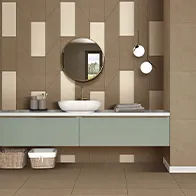
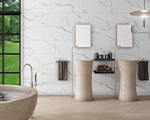
Porcelain wall tiles, on the other hand, focus on aesthetics, surface finish, and ease of installation. They are thinner than floor tiles and are used in bathrooms, kitchens, feature walls, and facades.
While both types share the same core material, their thickness, load-bearing capacity, and surface treatments differ based on application requirements.
Nigeria’s climate varies from coastal humidity to inland heat and seasonal rainfall. Building materials used in such conditions must resist moisture, temperature fluctuations, and surface deterioration.
Porcelain tiles perform exceptionally well due to their low water absorption rate. This property makes them suitable for bathrooms, kitchens, and outdoor areas exposed to rain and humidity.
Their thermal stability also prevents cracking or warping under high temperatures. As a result, porcelain wall tiles and flooring options remain structurally stable and visually appealing even after years of use in demanding environments.
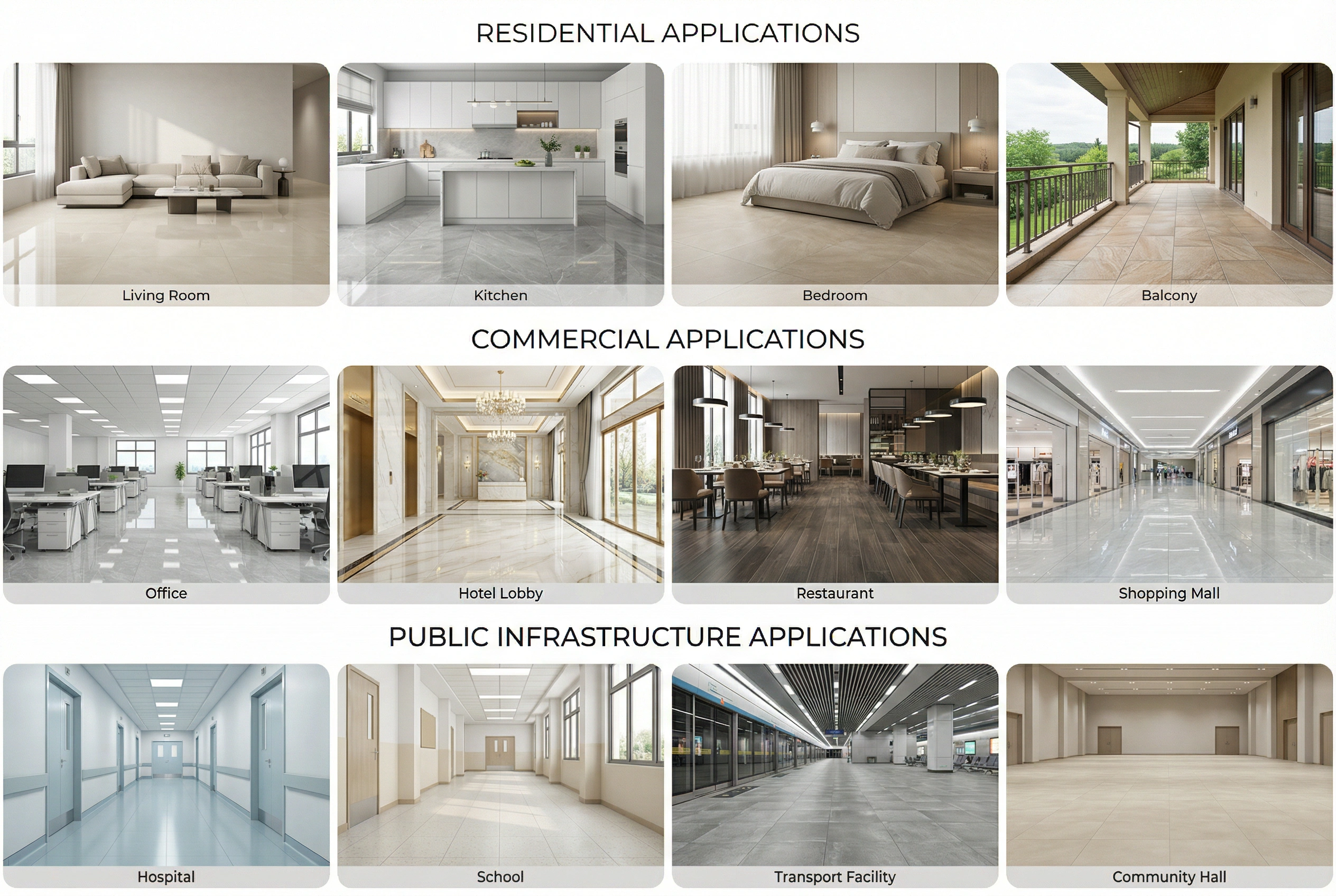
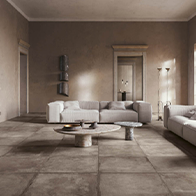
Porcelain flooring is widely adopted across various sectors in Nigeria due to its strength and versatility.
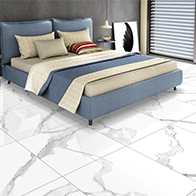
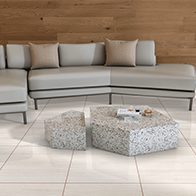
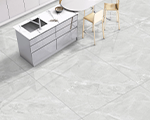
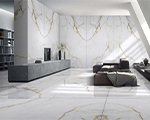
In residential projects, porcelain floor tiles are used in living rooms, bedrooms, kitchens, and balconies. Their durability makes them ideal for family homes and apartments.
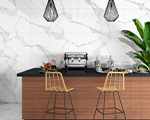
Commercial spaces such as shopping malls, offices, hotels, and restaurants rely on porcelain flooring for its resistance to wear and ease of cleaning.
Public infrastructure projects, including hospitals, educational institutions, and transport facilities, also prefer porcelain tiles for their hygienic surface and long lifespan.
Porcelain wall tiles enhance both functionality and aesthetics in interior and exterior applications.
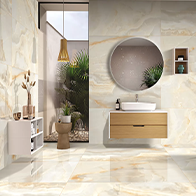
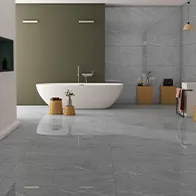
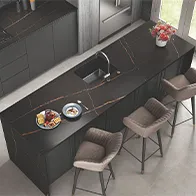
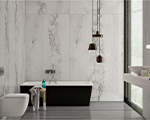
Bathrooms and kitchens are the most common areas where wall tiles are installed due to their resistance to moisture and stains. Smooth finishes make cleaning easier while maintaining hygiene.
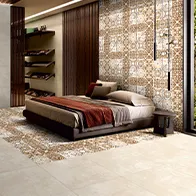
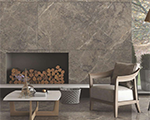
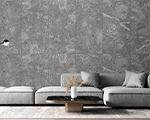
Feature walls in living spaces, hotels, and commercial interiors use textured and design-oriented porcelain wall tiles to create visual impact.
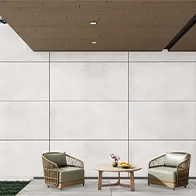
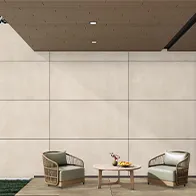
Exterior facades and boundary walls also benefit from porcelain tiles due to their color stability and resistance to weathering.
Nigerian buyers show strong preference for medium to large tile formats that offer a clean and spacious look.
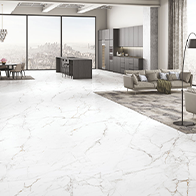
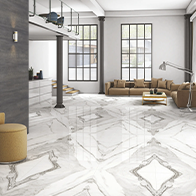
Commonly used sizes include rectangular and square formats suitable for both floor and wall applications. Large-format tiles are especially popular in commercial and luxury residential projects.
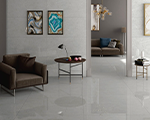
Finish preferences vary by application. Polished finishes are used in premium interiors, while matte and anti-skid surfaces are preferred for safety-focused flooring areas.
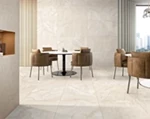
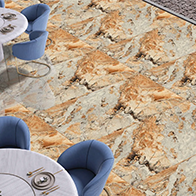
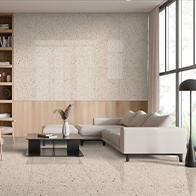
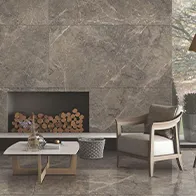
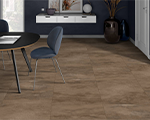
Neutral colors, stone-inspired designs, and modern textures dominate the Nigerian market, reflecting a balance between elegance and practicality.
Choosing the right flooring material involves evaluating durability, maintenance, and cost efficiency.
Ceramic tiles, while affordable, have higher water absorption and lower strength compared to porcelain tiles. Natural stones like marble offer premium appearance but require intensive maintenance.
Porcelain flooring provides a balance between performance and aesthetics, making it a preferred long-term investment for Nigerian builders and property owners.
Selecting the right exporter is as important as choosing the tile itself.
A reliable porcelain floor tiles exporter should offer consistent product quality, standardized manufacturing processes, and export-grade packaging.
Experience in international logistics is essential to ensure tiles reach Nigeria safely without damage. Proper palletizing, labeling, and container loading play a crucial role in maintaining product integrity.
Clear communication, documentation support, and after-sales assistance further strengthen trust between exporters and Nigerian importers.
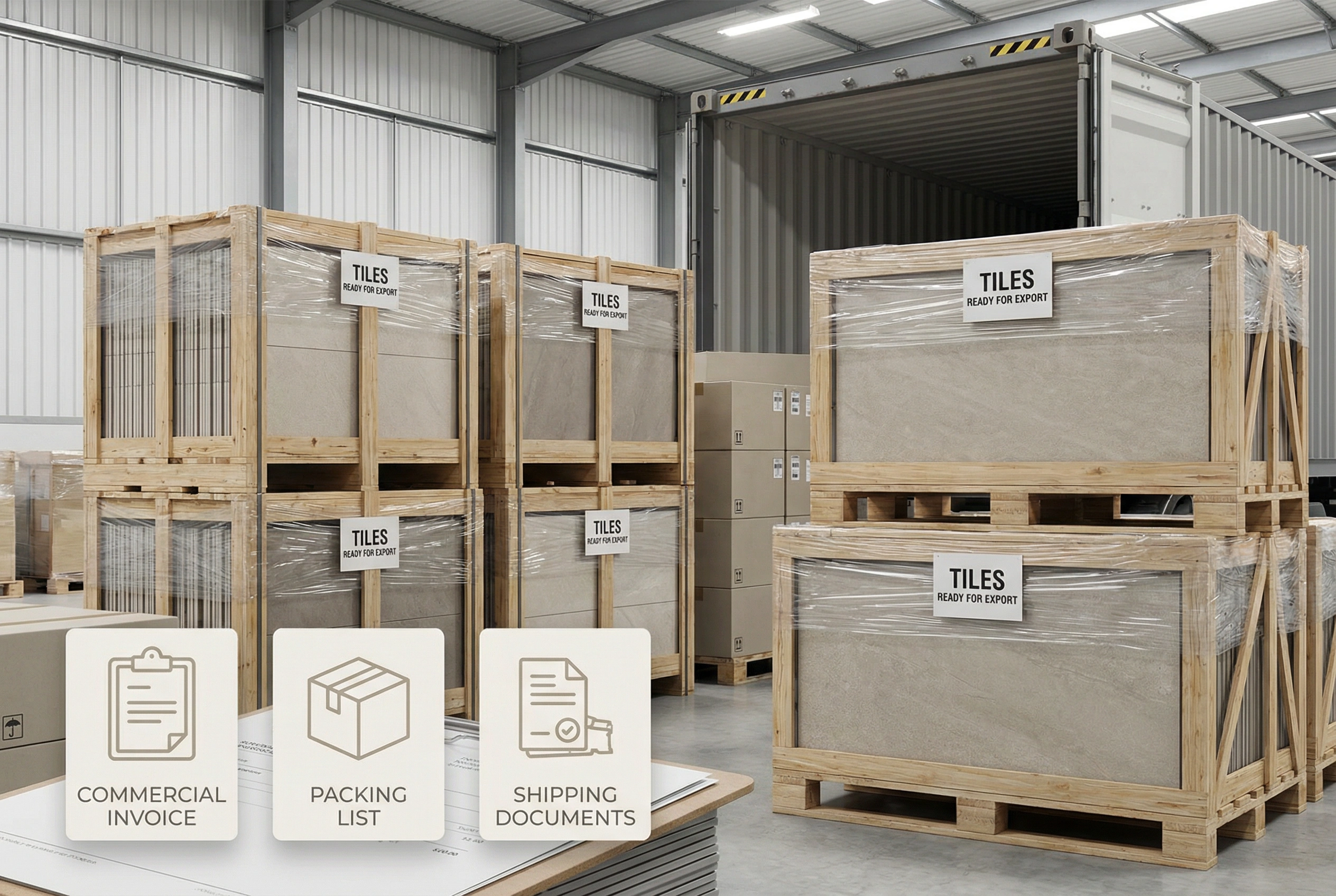
Exporting tiles to Nigeria requires adherence to basic documentation and packaging standards.
Commercial invoices, packing lists, and shipment documentation must be accurate and transparent. Exporters should ensure tiles are packed securely to withstand long-distance sea transport.
Working with an experienced exporter to Nigeria minimizes delays, reduces risk, and ensures compliance with international trade practices.
|
Feature |
Porcelain Floor Tiles |
Porcelain Wall Tiles |
|
Density |
High |
Moderate |
|
Thickness |
Thicker for load resistance |
Thinner for vertical use |
|
Finish Options |
Matte, glossy, textured |
Glossy, satin, digital |
|
Durability |
Suitable for heavy traffic |
Designed for decorative use |
|
Applications |
Homes, malls, offices |
Kitchens, bathrooms, façades |
India has established itself as a global manufacturing hub for ceramic and porcelain tiles.
Advanced production technology, skilled workforce, and access to quality raw materials enable Indian manufacturers to deliver consistent products at competitive prices.
Indian exporters offer a wide design range, flexible production capacity, and customization options suited to Nigerian market preferences.
Strong trade relations and established shipping routes further support smooth export operations between India and Nigeria.
Asiano Ceramic is an Indian tile manufacturer focused on producing high-quality porcelain tile solutions for international markets. The company emphasizes precision manufacturing, consistent quality control, and export-ready packaging.
With experience serving overseas buyers, Asiano Ceramic understands the requirements of Nigerian importers, including product durability, design consistency, and timely delivery.
Its porcelain floor tiles and porcelain wall tiles are developed to meet modern construction standards while offering aesthetic versatility for diverse applications.
Quality assurance begins with careful raw material selection and controlled production processes.
Each batch undergoes inspection to ensure uniformity in size, shade, and surface finish. This consistency is critical for large projects where visual continuity is essential.
Tiles are packed using export-grade materials to prevent breakage during transit. This focus on quality extends beyond manufacturing to logistics and customer coordination.
The import process becomes efficient when buyers work with an experienced porcelain tiles exporter to Nigeria.
Clear communication regarding specifications, quantities, and delivery timelines ensures smooth coordination. Exporters assist with documentation and shipment planning, reducing administrative burden for importers.
Long-term supplier relationships also provide advantages such as stable pricing, priority production, and consistent supply for ongoing projects.
Porcelain tiles have become an essential material in Nigeria’s evolving construction landscape. Their durability, design flexibility, and climate suitability make them ideal for residential, commercial, and infrastructure projects.
Choosing the right porcelain wall tiles exporter to Nigeria ensures not only product quality but also reliable logistics and long-term value. Indian manufacturers offer strong advantages through advanced technology and export experience.
With a focus on quality, consistency, and export readiness, Asiano Ceramic stands as a dependable option for Nigerian buyers seeking porcelain floor tiles and wall solutions for modern construction needs.
Porcelain floor tiles offer high strength, low water absorption, and long-term durability, making them ideal for Nigeria’s climate and usage conditions.
Floor tiles are thicker and stronger for load-bearing use, while wall tiles are thinner and focused on surface aesthetics.
Look for manufacturing consistency, export experience, proper packaging, and transparent communication.
Yes, Indian manufacturers offer scalable production, consistent quality, and competitive pricing for large-volume orders.
Key factors include quality assurance, export packaging, logistics support, and long-term supplier reliability.

Ceramic Wall Tiles: Trending Styles for 2026 Interiors
 05 August 2026
Trending Tile Colors and Patterns for Modern Design
05 August 2026
Golden & Onyx Tiles Exporter from India to Morocco
04 August 2026

Porcelain & Ceramic Tiles Exporter from India to Germany
04 August 2026
Why 600x600 MM Porcelain Tiles Are Trending Worldwide
02 July 2026

Asiano Ceramic has captured the memories of millions of customers by creating in home interior design.Asiano Ceramic strives to be the most demanded and quality manufacture and exporter ceramic vitrified tiles in Indian and international markets. We are highly committed to serving our patrons and clients right. We are constructing India’s largest wall tiles manufacturing plant and We will supply in both Indian market as well as overseas.
ASIANO CERAMIC LLP | Designed & Managed by : Lightlink Solutions

Whatsapp Chatx
Hi! Click one of our representatives below to chat on WhatsApp or send us email to inquiry@asianoceramic.com
 |
Mehul Vasoya 0091 95105 63767 |
|
Dhaval Detroja 0091 97127 38883 |