Connect With Our Team
Get In Touch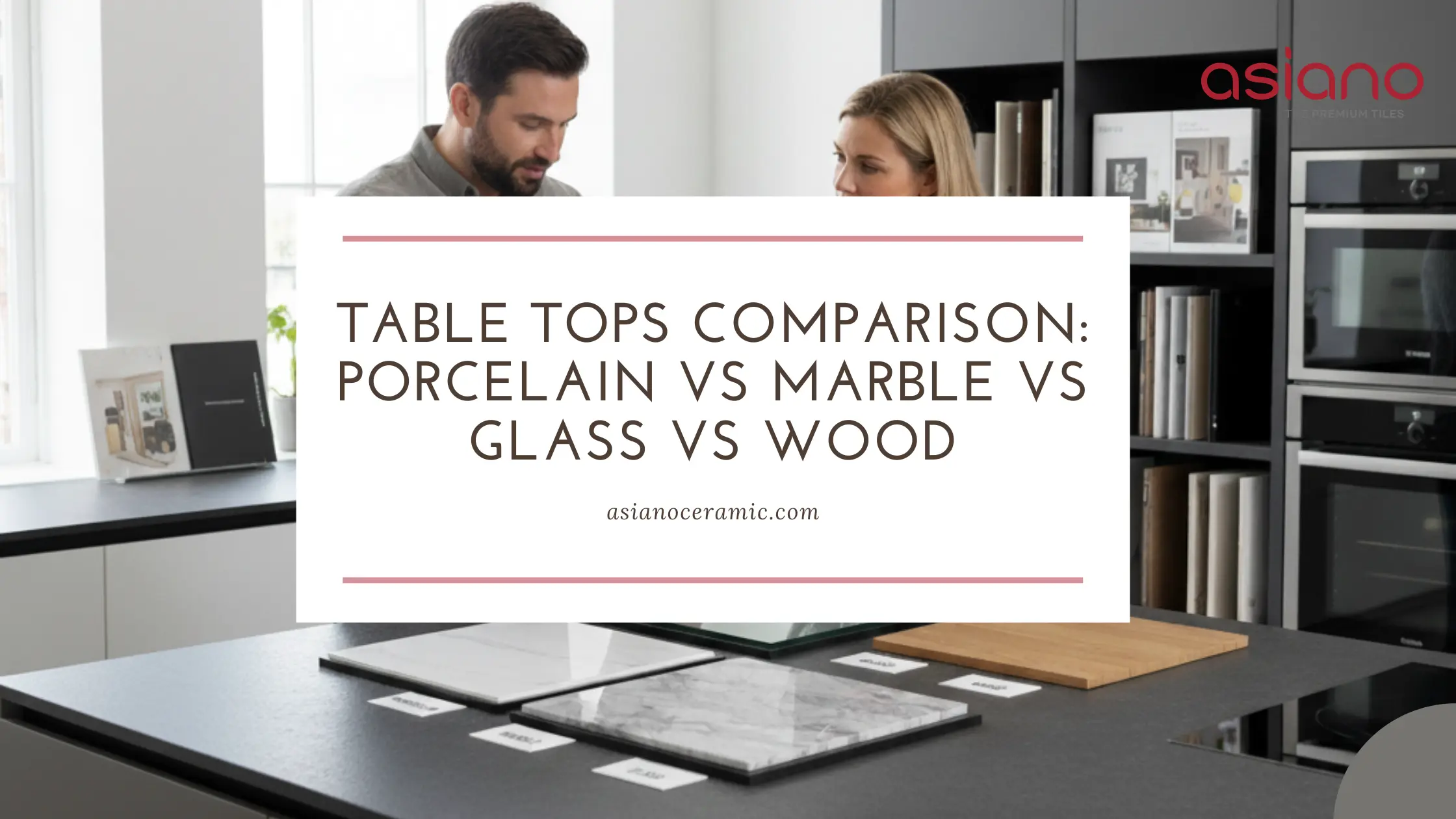
Selecting the right table top material is one of the most important decisions when designing a home, office, or restaurant. It’s not just about how beautiful the surface looks, it’s also about how it performs under daily wear and tear. A good tabletop combines aesthetics, durability, functionality, and easy maintenance, all while matching your lifestyle and décor theme.
In this detailed guide, we’ll explore the pros and cons of porcelain tabletop, marble table top, glass table top, and wood table top, so you can decide which one truly suits your space, whether it’s a kitchen table top, dining area, or outdoor table setup.
Before you commit to a material, it’s essential to understand what truly defines a great tabletop. Every surface has unique strengths and weaknesses, so consider the following factors:
Durability and Hardness: Tables are often used for dining, work, and social gatherings. Durability determines how well the surface resists daily knocks, scratches, or stains. For example, porcelain and marble score high, while glass and wood need more care.
Water and Moisture Resistance: If your table will be used outdoors or in the kitchen, waterproof properties matter. Porcelain and glass are waterproof table top materials, while marble and wood require protection from moisture.
Maintenance and Cleaning: A beautiful tabletop can turn into a burden if it demands constant maintenance. Choose a surface that’s easy to wipe clean, especially in busy spaces like kitchens or cafes.
Heat and Scratch Resistance: For kitchens or dining tables, look for materials that resist hot pans, cutlery scratches, and sharp objects.
Visual Appeal and Style: Beyond practicality, each material tells a visual story, marble offers luxury, wood provides warmth, glass creates modern minimalism, and porcelain delivers versatility.
Cost and Longevity: Some table top materials, like marble and porcelain, come with a higher price tag but also long-lasting value. Others, like glass or engineered wood, are budget-friendly but need more upkeep.
Indoor vs Outdoor Use: Outdoor table top materials must withstand rain, sun, and temperature shifts. Porcelain performs exceptionally well outdoors, while wood and marble are best suited for interior use.
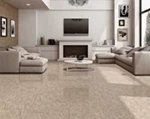
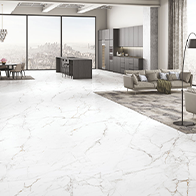
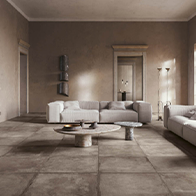
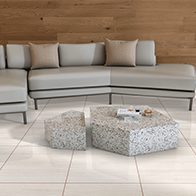
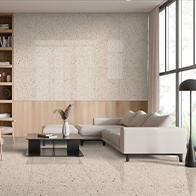
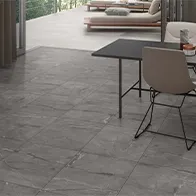
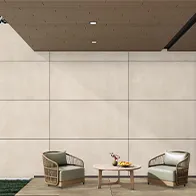
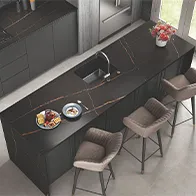
A porcelain tabletop is one of the most durable and elegant options among modern table top materials. Made from refined clay and natural minerals fired at extremely high temperatures, it forms a dense, non-porous, and long-lasting surface. This makes porcelain a top choice for both kitchen and dining table tops, combining sleek aesthetics with practical benefits.
Porcelain’s ability to mimic natural materials like marble, granite, or wood allows homeowners to enjoy luxurious looks without the high maintenance. Whether used indoors or outdoors, this waterproof table top material offers strength, easy upkeep, and timeless style making it a smart investment for any modern space.
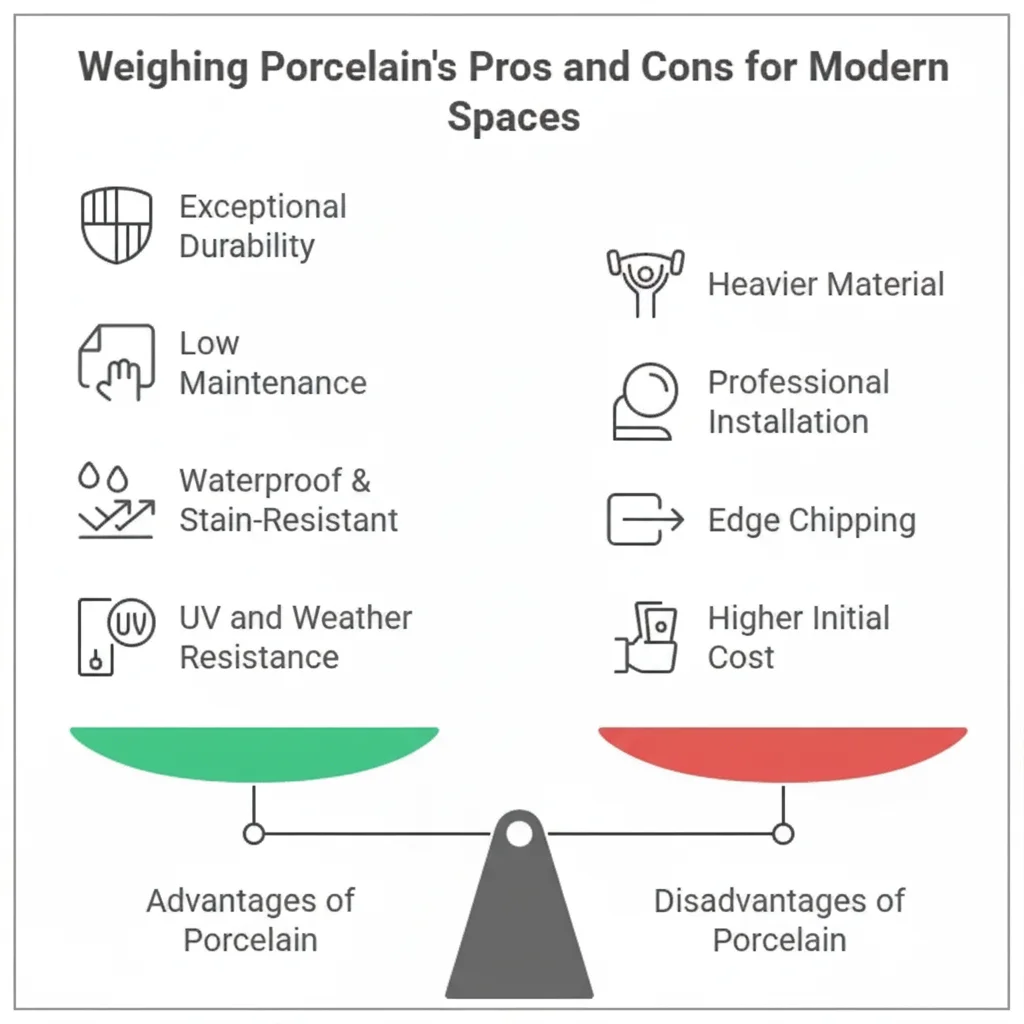
Exceptional Durability: Porcelain resists scratching, cracking, and heat. Its dense structure makes it ideal for heavy-duty environments like kitchen islands or dining tables.
Waterproof & Stain-Resistant: Unlike wood or marble, porcelain doesn’t absorb liquids, making it the perfect kitchen table top material. Spills, oils, and sauces can be wiped off effortlessly.
UV and Weather Resistance: Porcelain doesn’t fade under sunlight, making it a great choice for outdoor table top materials.
Low Maintenance: It doesn’t need sealing or polishing, just regular cleaning with a mild detergent.
Design Variety: Porcelain can mimic the look of marble, granite, concrete, or even wood, allowing homeowners to enjoy style and performance together.
It’s heavier than most materials, so sturdy support is necessary.
While very strong, edges may chip under sharp impact.
Installation and cutting require professional handling due to its hardness.
Best for: modern kitchens, outdoor dining tables, or any area that needs a long-lasting, low-maintenance surface.
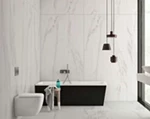
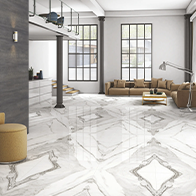
A marble table top Kithen represents luxury, elegance, and natural beauty. Formed over thousands of years, marble’s distinct veining and color variations make every piece unique, no two slabs are ever the same. Its classic appeal has made it a favorite choice for dining table top materials, marble kitchen table tops, and statement furniture pieces in premium interiors.
Beyond its stunning looks, marble brings a cool, smooth texture that adds sophistication to any room. Whether you’re designing a high-end kitchen or an elegant lobby, this natural stone remains a symbol of refined taste and enduring charm, making it one of the most sought-after table top materials in both traditional and modern settings.
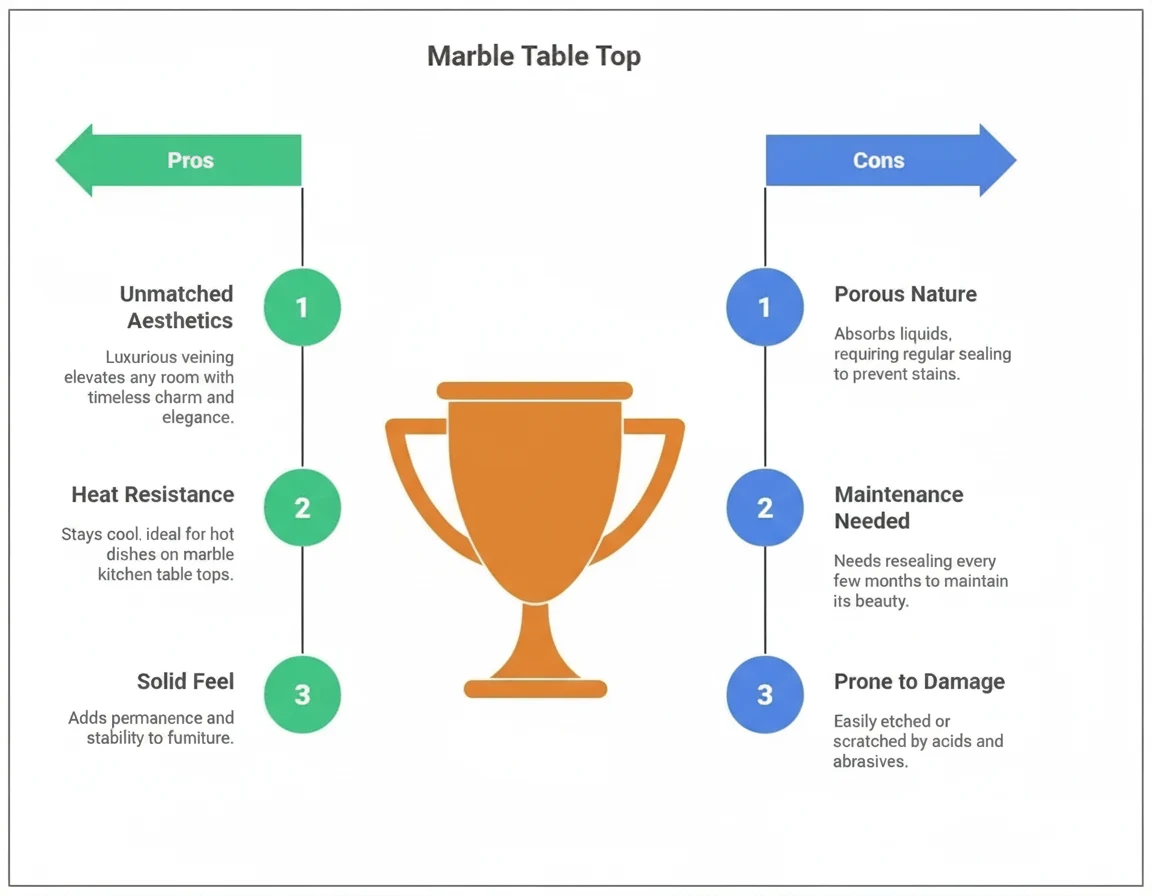
Unmatched Aesthetics: The luxurious veining patterns and soft sheen make marble the centerpiece of any room. It elevates dining rooms, lobbies, and cafés with timeless charm.
Heat Resistance: Marble stays cool to the touch and can handle hot dishes, which makes it great for a marble kitchen table top.
Solid, Heavy Feel: It adds a sense of permanence and stability to the furniture.
Adds Property Value: High-end interiors often feature marble because it never goes out of style.
Porous Nature: Marble easily absorbs liquids, which can cause stains from wine, coffee, or citrus unless regularly sealed.
Requires Careful Maintenance: You’ll need to reseal it every few months to prevent damage.
Prone to Etching and Scratches: Even mild acids or abrasives can dull its surface.
Expensive: The cost of quarrying, transport, and installation can be high.
Best for: formal dining spaces, luxury homes, or offices where beauty and elegance matter more than daily wear resistance.
A glass table top brings a touch of modern sophistication to any space. Its clean, reflective surface enhances natural light, creating an airy and open atmosphere ideal for contemporary interiors. Whether used as a standalone piece or layered over wood or metal, glass adds a minimalist charm that suits both homes and offices.
Loved for its versatility and visual appeal, a glass tabletop can complement any décor, from industrial to modern chic. Available in various styles like frosted, tinted, or tempered glass, it remains one of the most stylish and practical table top materials for those seeking elegance with easy maintenance.
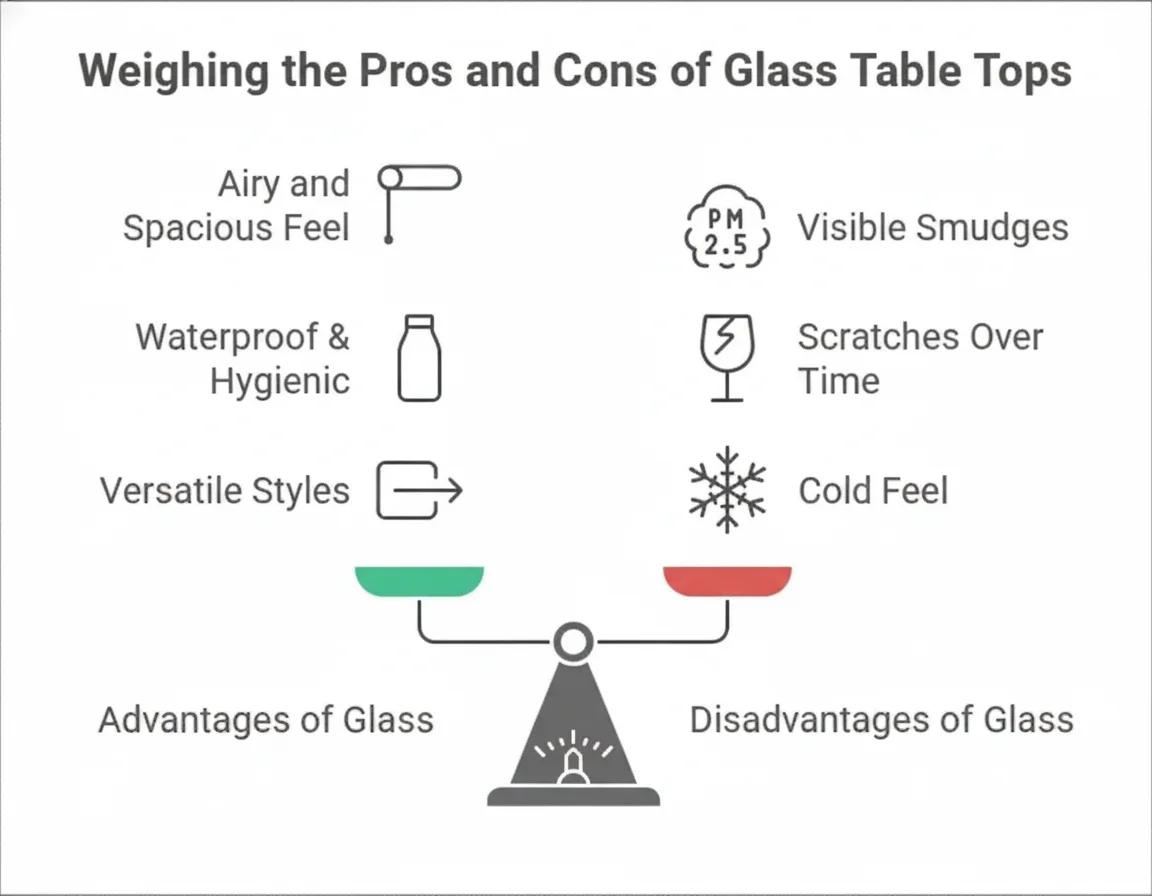
Airy and Spacious Feel: Transparent glass reflects light and makes even small rooms appear larger.
Waterproof & Hygienic: As a waterproof table top material, it resists spills and stains, and cleaning takes only a quick wipe.
Versatile Styles: Available in frosted, tinted, curved, and tempered forms to match different interiors.
Modern Appeal: Perfect for modern or industrial-style homes, offices, and cafes.
Fragility: Even tempered glass can chip or shatter under extreme impact.
Visible Smudges: Dust and fingerprints show easily, requiring frequent cleaning.
Scratches Over Time: Regular use can cause small marks unless treated carefully.
Cold Feel: Lacks the warmth of natural materials like wood or stone.
Best for: compact spaces, contemporary homes, or showpiece furniture where visual appeal is a top priority.
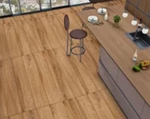
A wood table top remains one of the most cherished choices in furniture design, admired for its natural beauty, warmth, and versatility. Whether crafted from solid oak, teak, walnut, or engineered wood, it instantly adds character and comfort to any interior. Its organic texture and rich grain patterns bring a sense of authenticity that complements both modern and traditional décor.
Beyond aesthetics, a wood tabletop offers endless customisation options through stains, finishes, and shapes. Ideal for dining or kitchen table tops, wood combines durability with charm, making it a true classic among table top materials for homes and cafés alike.
Natural Warmth & Character: Each grain pattern tells a story, creating an inviting atmosphere.
Customizable: You can choose stains, finishes, and shapes to match your décor.
Repairable & Refinishable: Scratches can be sanded down, and finishes can be refreshed, giving wood unmatched longevity.
Timeless Appeal: Works beautifully in rustic, farmhouse, or classic interiors.
Sensitive to Moisture: Not ideal as an outdoor table top material unless treated or sealed properly.
Requires Regular Care: Needs polishing and occasional oiling to maintain its luster.
Vulnerable to Scratches and Heat: Hot dishes or sharp objects can leave marks.
Can Warp: Changes in humidity or temperature may cause warping or cracking over time.
Best for: indoor dining tables, coffee tables, or kitchen furniture where warmth and craftsmanship are desired.
| Material | Durability | Water Resistance | Maintenance | Scratch & Heat Resistance | Aesthetic Appeal | Cost Range | Best Use |
|---|---|---|---|---|---|---|---|
| Porcelain Tabletop | Excellent | Fully waterproof | Very low | Highly resistant | Modern, clean, versatile | High | Kitchen & outdoor tables |
| Marble Table Top | High | Moderate | Medium | Good, but prone to etching | Luxurious, timeless | High | Formal indoor dining |
| Glass Table Top | Medium | High | Low, frequent cleaning | Moderate | Sleek, minimal | Medium | Modern interiors |
| Wood Table Top | Moderate to high | Low to moderate | Medium | Moderate | Warm, classic | Varies | Indoor dining & offices |
Porcelain tabletops are among the most durable, resistant to scratches, stains, and UV rays. They’re ideal for both indoor and outdoor spaces.
Yes, if you prefer a light, airy aesthetic. However, glass shows smudges easily and may scratch over time, so it’s best for less intensive use.
Absolutely. Marble is naturally porous, so sealing it regularly prevents staining and prolongs its shine.
Keep it dry, use coasters, polish it occasionally, and avoid direct sunlight or heat sources. For wood kitchen table tops, a protective varnish helps prevent stains.
Porcelain is the top choice, it’s weatherproof, UV-resistant, and easy to clean. Other materials like glass and metal also work well with proper care.
When comparing different table top materials, it’s important to balance aesthetics, practicality, and durability based on your lifestyle and space requirements.
Busy households: Choose porcelain or treated wood for easy maintenance and long-term performance.
Luxury interiors: Opt for marble to bring a sense of timeless elegance and sophistication.
Compact homes: Glass table tops help reflect light and make rooms appear more open and spacious.
Outdoor spaces: Porcelain is the best choice thanks to its weather and UV resistance.
Your selection should align with your daily routine, design theme, and environment. The best table top material isn’t just about looks, it’s about how it complements your lifestyle.
For those seeking premium-quality porcelain, marble, glass, or wood table tops, Asiano Ceramic stands out as a trusted table top manufacturer and supplier. Offering a wide range of finishes, patterns, and thickness options, Asiano Ceramic ensures every tabletop delivers both aesthetic appeal and unmatched durability, perfect for residential and commercial spaces alike.
Porcelain: Clean with a damp cloth; avoid abrasive pads.
Marble: Reseal periodically and use neutral cleaners only.
Glass: Use a microfiber cloth for a streak-free shine.
Wood: Keep away from moisture; apply oil or wax to preserve texture.
Consistent care ensures your table stays elegant for years, no matter what material you choose.
Each tabletop material porcelain, marble, glass, and wood has its unique personality and performance level.
Porcelain tabletop stands out as a durable, waterproof, and low-maintenance option for both kitchens and outdoors.
Marble table top delivers timeless beauty and natural luxury but demands care.
Glass table top offers modern elegance and easy cleaning, ideal for light use or minimal designs.
Wood table top provides unmatched warmth and character, perfect for cozy interiors.
Ultimately, the best table top material depends on how you live and what style you love. Choose wisely, and your tabletop will not only enhance your space but also stand the test of time, blending function, form, and everyday comfort beautifully
Why 600x600 MM Porcelain Tiles Are Trending Worldwide
 02 July 2026

Regular vs 3D Elevation Tiles: Which Should You Choose?
02 July 2026

Top Golden Tile Design Ideas for Luxury Homes in 2026
02 July 2026
Ceramic Tile Exporter to Belgium: A Complete Guide
02 July 2026
Porcelain and Ceramic Tile Exporter to Netherlands
01 July 2026

Asiano Ceramic has captured the memories of millions of customers by creating in home interior design.Asiano Ceramic strives to be the most demanded and quality manufacture and exporter ceramic vitrified tiles in Indian and international markets. We are highly committed to serving our patrons and clients right. We are constructing India’s largest wall tiles manufacturing plant and We will supply in both Indian market as well as overseas.
ASIANO CERAMIC LLP | Designed & Managed by : Lightlink Solutions

Whatsapp Chatx
Hi! Click one of our representatives below to chat on WhatsApp or send us email to inquiry@asianoceramic.com
 |
Mehul Vasoya 0091 95105 63767 |
|
Dhaval Detroja 0091 97127 38883 |