Connect With Our Team
Get In Touch
Choosing the right outdoor paving isn’t just about looks. Your patio, pathway, driveway edge, or pool surround has to handle sun, rain, stains, foot traffic, and everyday cleaning without turning slippery or fading fast.
That’s why homeowners and architects usually compare porcelain paving vs natural stone paving first. Both can look premium, both can work beautifully outdoors, and both have clear advantages depending on where you’re installing and how much maintenance you’re comfortable with.
In this guide, you’ll get a practical, real-world comparison durability, safety, maintenance, design, and long-term cost so you can confidently choose the best surface for your outdoor space.
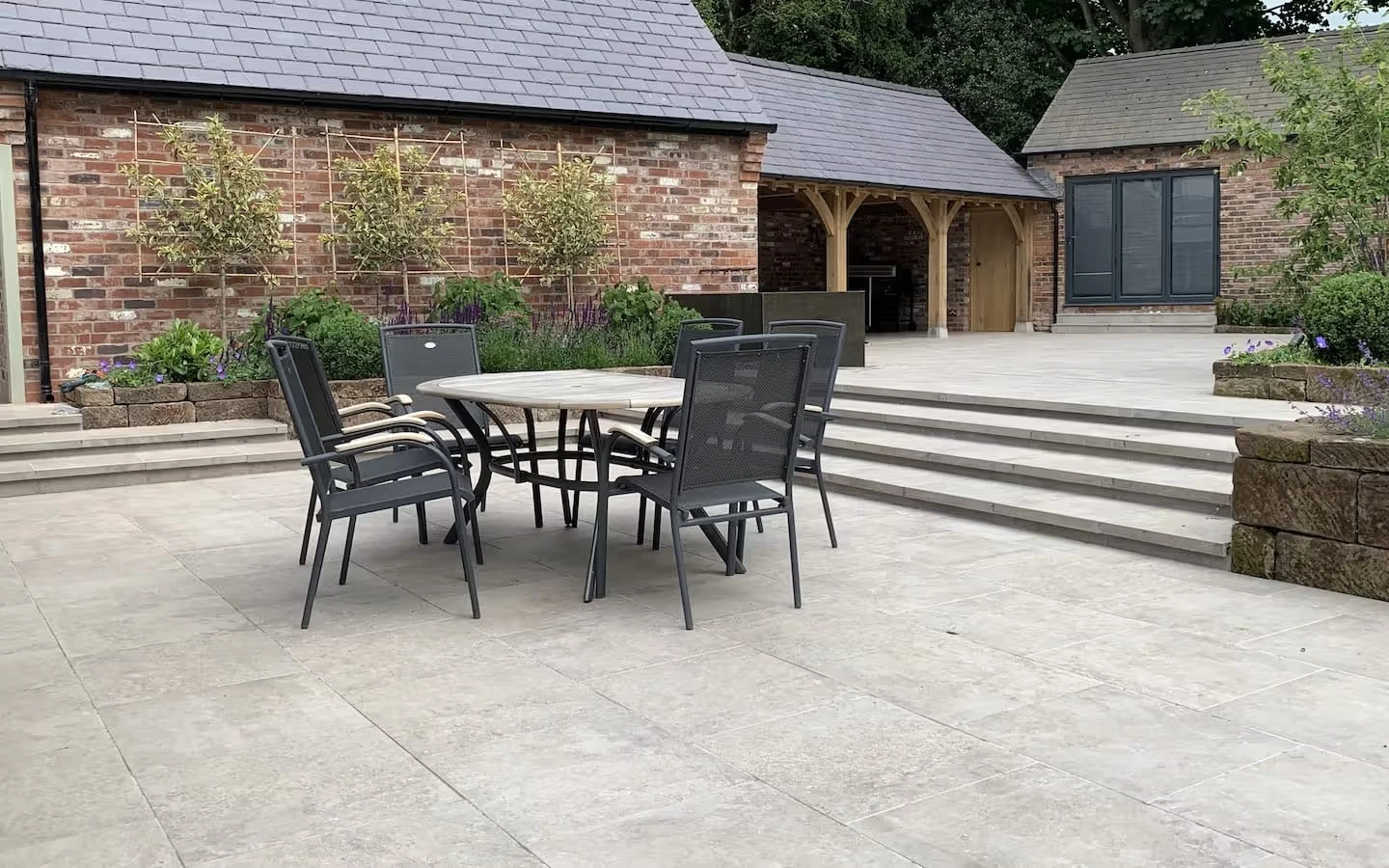
Porcelain paving is made from refined clay and minerals fired at very high temperatures. For outdoor use, it’s typically manufactured as porcelain paving slabs (often thicker than indoor tiles) and finished with textured surfaces designed for slip resistance.
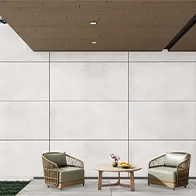
Modern outdoor porcelain paving comes in a wide range of looks stone, concrete, timber, and even designer patterns without the porosity issues that many natural materials face. If you want consistent color, low water absorption, and simple cleaning, porcelain pavers outdoor are often a strong choice.
You’ll commonly see it used for patios, pool decks, terraces, balconies, and modern landscape designs where clean lines matter.
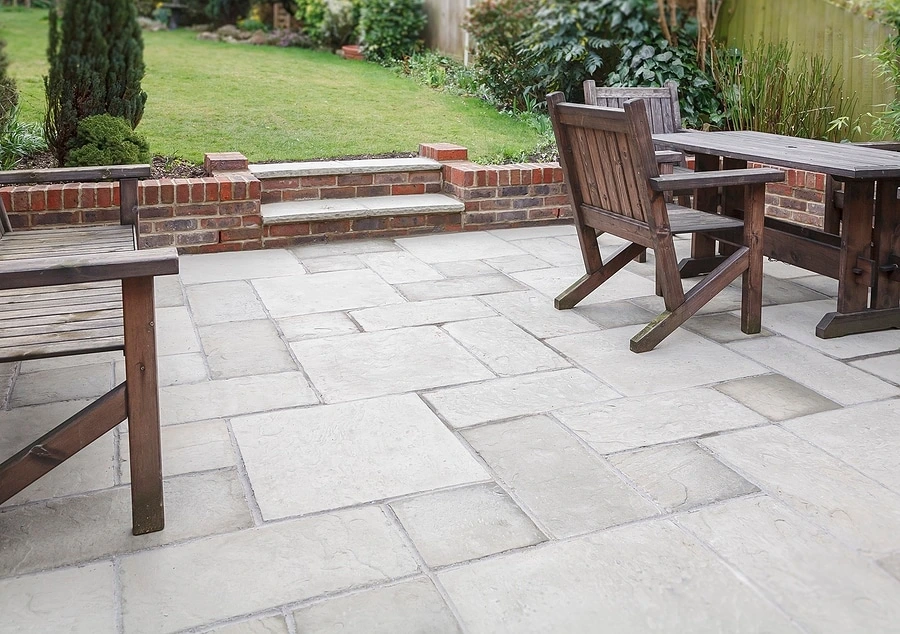
Natural stone paving is quarried from the earth and cut into slabs or pavers. Each piece has its own variation in shade, texture, and natural markings this is the biggest reason people love stone. It looks authentic because it is authentic.
When people want a more organic, timeless finish especially for traditional homes or rustic landscapes stone becomes a go-to, including options used as natural stone for house exterior areas like facades, steps, and front entries.
That said, stone performance varies by type and finish. Some stones are dense and durable; others are more porous and need sealing and careful cleaning.
Before you decide, use this table to match material strengths to your outdoor conditions.
| Feature | Porcelain Paving | Natural Stone Paving |
|---|---|---|
| Water Absorption | Very low | Varies (often higher) |
| Stain Resistance | High | Medium to high (depends on stone & sealer) |
| Sealing Needed | Usually no | Often yes |
| Slip Resistance | Excellent with textured finishes | Depends on finish; some can be slippery when wet |
| Color Consistency | High, uniform batches | Natural variation, unique pieces |
| Heat in Sun | Can get warm; depends on color | Also gets warm; darker stones heat more |
| Maintenance Effort | Low | Medium to high |
| Long-term Look | Stays consistent | Can age beautifully but may weather unevenly |
| Repair / Replacement | Easier to match in many cases | Matching exact stone later can be harder |
| Best For | Modern patios, pool decks, low-maintenance outdoor zones | Natural, premium character; classic landscaping |
For harsh outdoor conditions, the biggest difference is porosity. Porcelain paving is extremely dense, which means it absorbs very little water. That typically helps it resist staining, algae growth, and weather-related wear. This is one reason exterior porcelain pavers are popular for areas exposed to rain or frequent washing.
With natural stone paving, durability depends heavily on the stone type and surface finish. Some stones are tough and stable; others may show wear faster, absorb stains, or develop surface changes over time. In high-traffic zones like main walkways, outdoor kitchens, and commercial entries stone can still perform very well, but it often needs the right selection and proper sealing.
A practical way to choose:
If you want predictable performance with less upkeep, outdoor porcelain paving is usually easier.
If you want unique character and don’t mind periodic maintenance, natural stone can be a beautiful long-term investment.
Outdoor surfaces must stay safe in monsoon rain, near pools, or around garden hoses. The safest choice is usually the one with the right finish not just the material.
Most outdoor porcelain paving slabs are made with textured, anti-slip surfaces. That makes porcelain pavers outdoor a strong pick for poolside paving, outdoor steps, and patios where water is common.
A rougher, textured finish can provide great grip.
A smoother or polished finish may become slippery when wet.
Choose a textured finish for wet zones.
Ensure proper slope for drainage.
Avoid glossy surfaces outdoors.
Clean organic buildup (algae/moss) regularly.
If low maintenance is your top priority, this section matters most.
Low porosity helps resist stains.
Many spills can be cleaned with water and mild cleaners.
It’s less likely to absorb mud, BBQ grease, or leaf stains.
Many stones benefit from sealing, especially in wet climates.
Organic staining and weathering may appear faster without care.
Some cleaners can damage certain stones, so product choice matters.
If you want wash-and-go outdoor floors, porcelain garden slabs often fit that lifestyle. If you like the natural aging and don’t mind scheduled upkeep, stone remains a premium outdoor finish.
No matter what you choose, outdoor failures often happen because of base prep, not because of the paving surface.
A stable, compacted sub-base
Proper slope for drainage
Correct adhesive or bedding method
Outdoor-ready jointing/grout that handles weather movement
Fixed installation (mortar/adhesive on a prepared base)
Dry-lay installation (depending on site conditions and product)
Raised systems for terraces in some designs
Whether you choose porcelain paving slabs or stone, using an experienced installer is the fastest way to avoid cracks, rocking pavers, or water pooling.
This is where your preference becomes the deciding factor.
Consistent shade across a large patio
Clean, modern lines
Large-format looks with minimal visual breaks
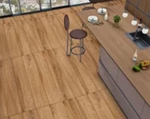
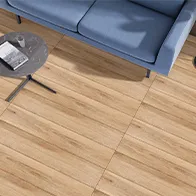
Designer finishes like wood effect paving slabs for warm outdoor styling
One-of-one variation (no two pieces look identical)
A classic, organic outdoor feel
Natural textures that blend into gardens and landscaping
A premium look for natural stone for house exterior accents like steps, cladding zones, or entrance paving
If you want a luxury resort look with clean geometry, porcelain is often easier to execute. If you want a timeless, earthy landscape feel, natural stone is hard to beat.
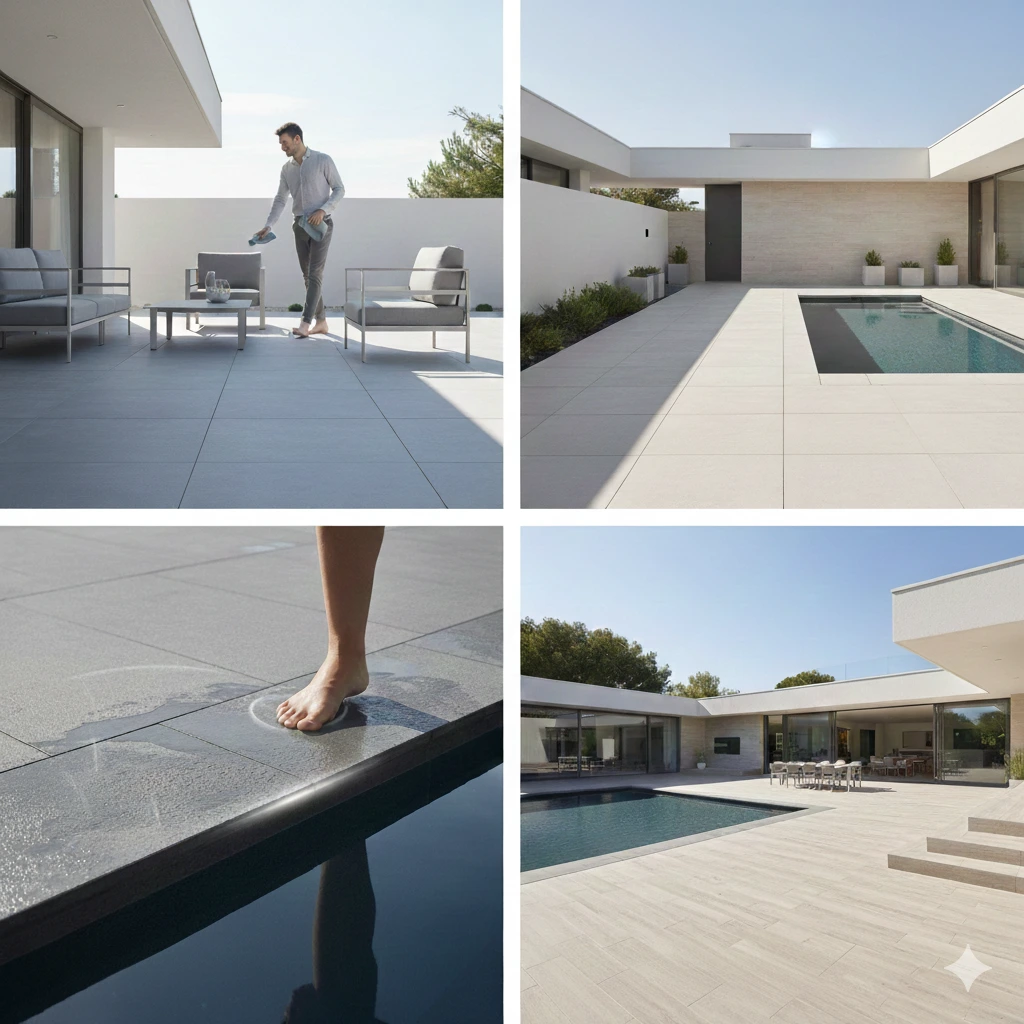
Want low-maintenance outdoor paving
Prefer modern or minimalist designs
Need slip-resistant surfaces
Are designing patios, pool areas, or terraces
Want consistent color and finish
Porcelain garden slabs and exterior porcelain pavers are especially suitable for high-traffic and moisture-prone areas.
Prefer a traditional or rustic aesthetic
Want a unique, natural appearance
Are enhancing heritage or classic homes
Don’t mind regular maintenance
Natural stone for house exterior projects works well when authenticity and natural beauty are top priorities.
Sweep regularly to remove debris
Wash with mild detergent when needed
Avoid harsh chemicals
Clean frequently to prevent staining
Reseal periodically as recommended
Avoid acidic cleaners
Proper care ensures both materials maintain their appearance and performance over time.
When you’re comparing porcelain paving and natural stone paving, the real difference comes down to correct product selection and outdoor-ready installation guidance. Asianoceramic helps you choose the right porcelain paving slabs and exterior porcelain pavers based on your usage patio, pathway, poolside, or high-traffic outdoor paving so you get long-term performance, not just a good-looking surface.
Asianoceramic also supports you with practical recommendations on finish selection (including grip-focused options for porcelain pavers outdoor), layout planning for garden paving slabs, and design choices like wood effect paving slabs for modern outdoor styling. If your goal is a clean, premium, low-maintenance outdoor space, Asianoceramic’s outdoor porcelain range and project-focused guidance make the selection process simpler and more reliable.
Both porcelain paving and natural stone paving have their own strengths, but the best choice depends on your priorities. If you value durability, low maintenance, modern aesthetics, and long-term value, outdoor porcelain paving is the clear winner.
If you prefer timeless beauty, natural variation, and traditional charm and are willing to invest in maintenance natural stone paving remains a premium option.
By carefully considering your design goals, climate conditions, and maintenance expectations, you can select the perfect outdoor paving solution that enhances your exterior space for years to come.
Yes, many wood effect paving slabs in porcelain are designed for outdoor use and offer a warm look with easier cleaning than natural timber.
Low-porosity surfaces are easier to maintain. Many homeowners choose porcelain paving or sealed stone depending on the look they want.
Some stones weather naturally and may change slightly in appearance. Proper selection and maintenance helps preserve the look.
Regular sweeping and occasional washing with mild cleaner is usually enough for outdoor porcelain paving.
Stone has natural variation, so exact matching can be difficult. Porcelain ranges are often more consistent for future replacements.
Trending 800×3000 Tile Designs for Modern Interiors
 03 April 2026
Terrazzo & mosaic tiles Exporter to Australia
02 April 2026
Wood Plank Tile vs Natural Wood: Pros, Cons & Key Comparison
03 March 2026
Porcelain & Ceramic Tiles Exporter from India to Iraq
02 March 2026
Porcelain Floor & Wall Tiles Exporter to Nigeria
04 February 2026

Asiano Ceramic has captured the memories of millions of customers by creating in home interior design.Asiano Ceramic strives to be the most demanded and quality manufacture and exporter ceramic vitrified tiles in Indian and international markets. We are highly committed to serving our patrons and clients right. We are constructing India’s largest wall tiles manufacturing plant and We will supply in both Indian market as well as overseas.
ASIANO CERAMIC LLP | Designed & Managed by : Lightlink Solutions

Whatsapp Chatx
Hi! Click one of our representatives below to chat on WhatsApp or send us email to inquiry@asianoceramic.com
 |
Mehul Vasoya 0091 95105 63767 |
|
Dhaval Detroja 0091 97127 38883 |